

The World Intellectual Property Organization and the International Renewable Energy Agency have unveiled a new report on patents related to decarbonizing heavy-duty road transport. Presented at the International Transport Forum Summit in Leipzig, Germany, the report offers an in-depth analysis of technological innovations aimed at reducing emissions from trucks and buses, a sector responsible for a significant portion of global greenhouse gas emissions. Despite advancements, 94% of heavy-duty vehicles still rely on fossil fuels, highlighting the urgent need for decarbonization.
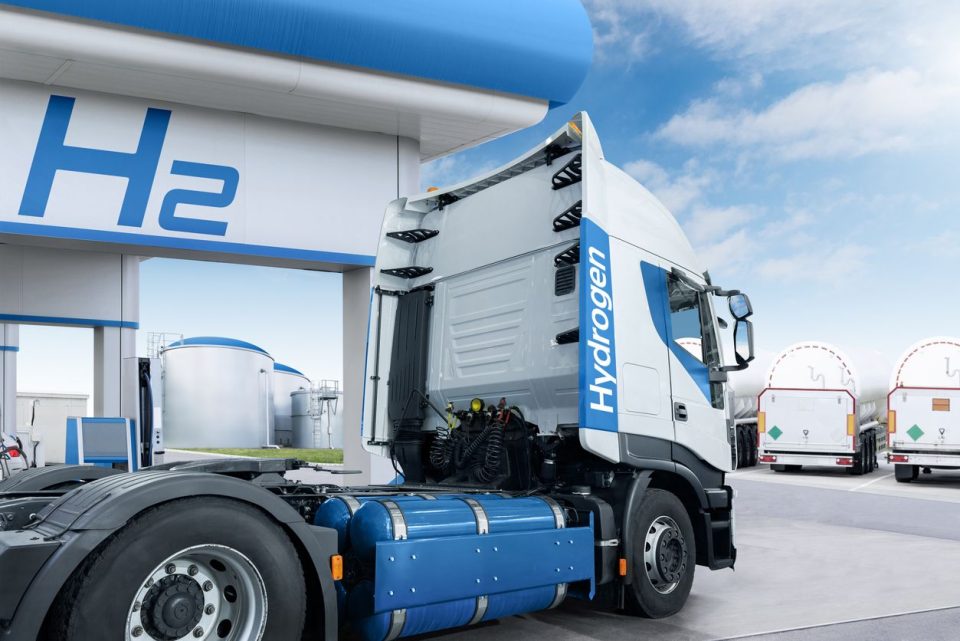
The report examines over 158,000 patents from 2000 to 2024, focusing on low-emission energy sources, energy infrastructure, vehicle efficiency, and fleet digitalization. It reveals a landscape of rapid technological change, dominated by battery-electric solutions, which represent the primary pathway for decarbonizing heavy-duty vehicles. Patents for these technologies have surged, with batteries making up the majority of low-emission energy source patents. Meanwhile, hydrogen technologies are gaining traction, especially for long-haul applications where battery solutions face challenges.
Innovation is geographically concentrated, with China leading in patent volumes, followed by the United States, Japan, Germany, and South Korea. The report also highlights the dominance of major corporations like Toyota and Volkswagen in patent activities, with little representation from universities or public research institutions.
Despite the growth in patenting, a gap remains between innovation and real-world deployment, particularly in infrastructure. The European Union, for instance, will require a significant increase in public heavy-duty chargers by 2030. The report emphasizes electrification as the main pathway forward and offers recommendations to accelerate the transition, addressing policy, infrastructure, and business models.
