

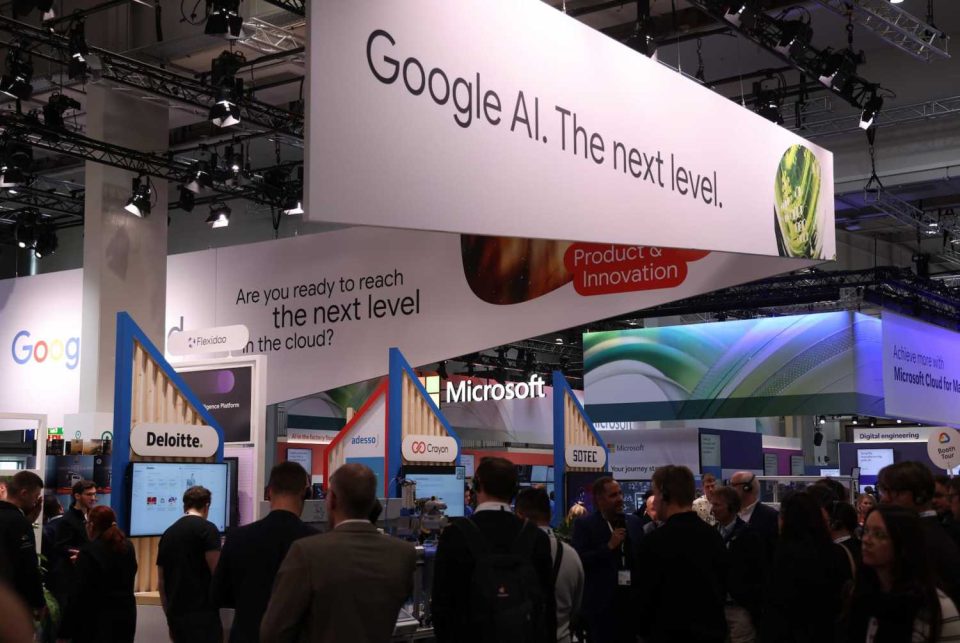
At its annual Build conference, Microsoft unveiled a range of new AI initiatives, signaling its ambition to become a leading player in the field. For years, Microsoft relied heavily on its partnership with OpenAI, but recent developments indicate a shift towards independence. The company introduced MAI-Thinking-1, its first reasoning model, along with six other models focused on image, voice, transcription, and coding. These models aim to compete with established players like OpenAI and Anthropic, offering competitive performance and pricing.
Microsoft’s AI chief, Mustafa Suleyman, emphasized the company’s goal to become one of the top AI labs globally, highlighting the importance of developing models from scratch without relying on others’ technologies. The renegotiation of the contract with OpenAI allowed Microsoft to expand its capabilities and pursue superintelligence using its own intellectual property.
Additionally, Microsoft launched MDASH, an AI cybersecurity tool that utilizes 100 AI agents to identify vulnerabilities, positioning itself against competitors like Anthropic and OpenAI in the government and enterprise markets. The company is also working on integrating AI agents with Windows, inspired by the open-source platform OpenClaw, and is promoting its own Copilot “super app” that incorporates OpenClaw-like agents.
Microsoft’s strategy focuses on appealing to business customers with autonomous, long-running agents designed for enterprise compliance. The first offering, “Scout,” acts as a personal agent capable of managing emails, calendars, and group chats. The company emphasizes security and guardrails to reassure enterprise clients.
Despite its previous reliance on OpenAI, Microsoft is leveraging its existing client base, reputation for safety, and substantial resources to compete in the AI race. While the company faces challenges in real-world adoption and market competition, its diversified revenue stream allows it to take calculated risks and pursue long-term goals in the evolving AI landscape.
