

After decompressing from Samsung Unpacked in London two weeks ago, the company says it is pushing to make AI-enabled phones more affordable and widely used through a localized Galaxy AI strategy, a democratization of features and extended device support. At a recent round-table with Samsung executives including SEA and Oceania President CU Kim and EVP of the Mobile R&D Division Won-Joon Park, they described rising regional adoption, affordability measures and an open platform approach as the pillars of that shift.
Galaxy AI tailored to local languages and markets
Samsung reports regional AI adoption has surged over the past year, with active usage moving beyond basic curiosity to reach 96% of device users. The company highlights everyday tools such as Circle to Search, Note Assist and Photo Assist as examples of AI integrated into daily workflows. To serve diverse markets, Samsung operates three dedicated R&D centers across Southeast Asia and Oceania to adapt Galaxy AI to local nuances. The platform supports 22 languages globally and places particular emphasis on Filipino, Indonesian, Thai and Vietnamese. Samsung also points to Vietnam as a key manufacturing and growth hub where local research capabilities and consumer demand help shape highly customized, native-feeling features.
Lowering the total cost of ownership
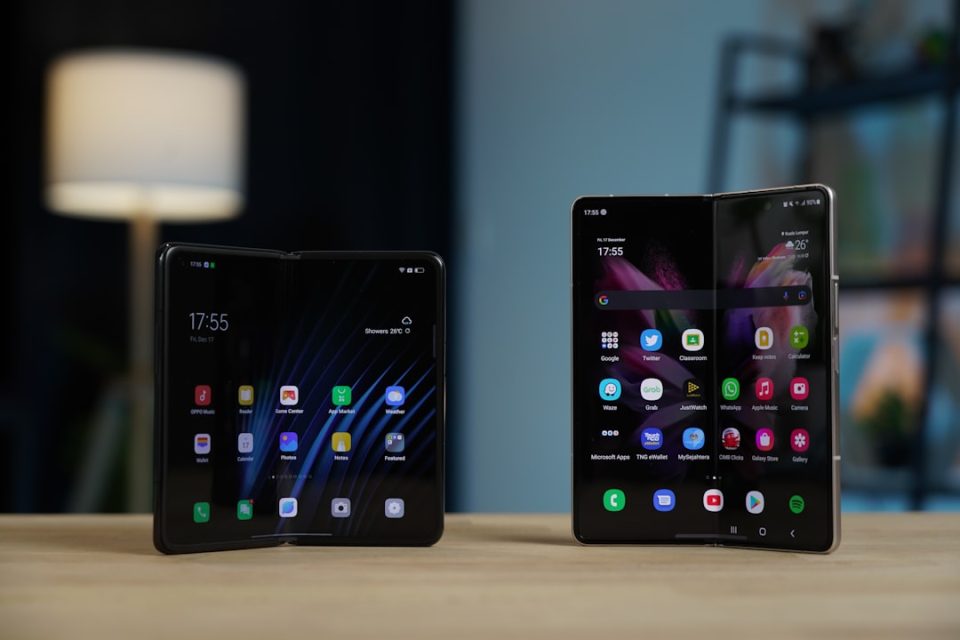
Samsung says lowering ownership costs is central to its strategy as component and memory prices rise industry-wide. Core Galaxy AI features are not locked behind paid subscriptions, the company says, keeping those capabilities accessible without additional fees. Samsung offers seven years of software and security updates to extend device longevity and reduce upgrade frequency, and it intentionally includes prior-generation flagships — in this case the 7-series — among its current offerings to provide more affordable entry points. Larger form factors such as the Fold are positioned to let productivity users and enterprises replace both phone and tablet with a single device. Samsung also uses local bank partnerships, aggressive trade-in promotions and continued circulation of previous-generation flagships like the S25 and S25 FE to create multiple financial paths into its ecosystem.
Open platform, partner agents and safeguards
Samsung describes Galaxy as an open, collaborative platform built via a deep OS-level partnership with Google that co-develops platform-level AI capabilities and offers a first-mover integration with Android system updates. The platform is designed to host multiple partner agents, enabling transitions between Bixby for on-device controls, Google Gemini for system-level task management and Perplexity for research and search discovery. Samsung frames its approach as “agentic AI,” saying the system provides proactive, context-aware suggestions while the human user always retains final agency and can intervene or override actions. Privacy and authenticity protections include hardware- and software-level guardrails through Knox security and collaboration with industry groups such as the Coalition for Content Provenance and Authenticity to embed watermarks in AI-generated content.
By combining deep local personalization, flexible purchasing programs and an open, partner-driven platform philosophy, Samsung says it aims to turn mobile AI from an elite feature into a secure, accessible tool for daily use.
