

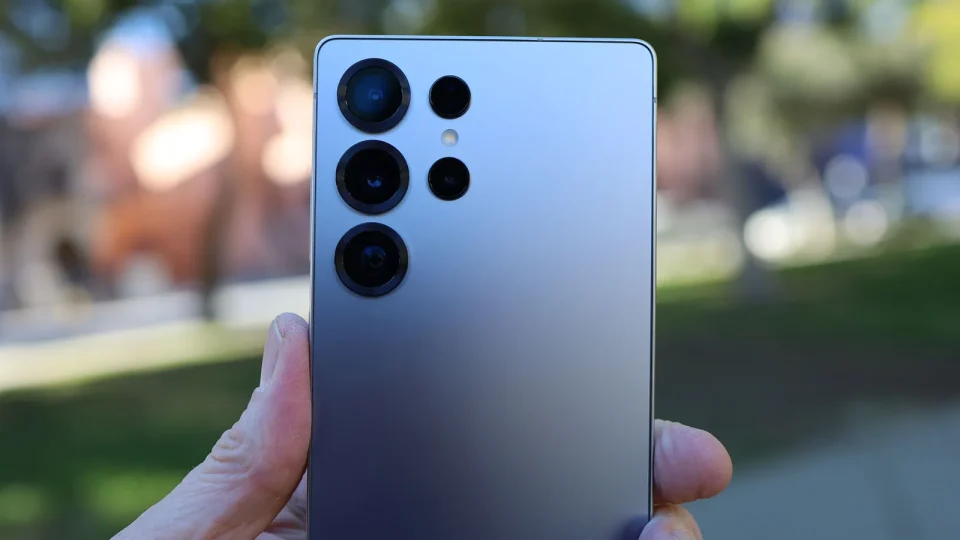
Rising memory costs have prompted Samsung to raise prices for the Galaxy S26 series—first in India and Korea, then in the US, Canada, the UK and Europe—while leaving Galaxy S25 prices unchanged. That wider price gap makes the Galaxy S25 Ultra a suddenly more attractive option for some buyers.
For shoppers hunting a premium non-foldable flagship, the Galaxy S26 Ultra is likely the default choice. But because Samsung increased prices only for the S26 lineup, the S25 Ultra may now represent better value depending on local retail pricing and how generous Samsung’s trade-in program is in your market.
Before you buy, check your local Samsung online store to compare S25 Ultra and S26 Ultra prices and possible discounts side by side. Also note that some retailers may be slower to apply Samsung’s S26 price increases, so you might still find competitive S26 Ultra deals elsewhere.
Galaxy S25 Ultra: what you gain and what you lose
If the S25 Ultra is significantly cheaper where you shop, you would keep most of the core experience: after the latest update the S25 Ultra runs the same One UI 9 experience, including the same Galaxy AI toolset as the S26 Ultra. The S25 Ultra also shares a similar camera arrangement with 3x and 5x zoom cameras, features anti-reflective Gorilla Armor glass, includes the S Pen, and packs a 5,000 mAh battery.
You would, however, forgo a few S26-only features: Privacy Display, faster wired charging (60W) and faster wireless charging (25W), and Bluetooth 6.0 with Channel Sounding. Channel Sounding enables the new SmartTag 3 to provide better directional guidance in Compass View from a longer range, and Bluetooth Sounding is available only on the S26+, the S26 Ultra, the Fold 8 and the Fold 8 Ultra—not on the S25 Ultra.
It is unusual for a previous-generation flagship to regain appeal roughly eight months after its successor’s launch, or for a new phone to become more expensive months after release. That reversal is happening now as a direct result of memory price increases.
