

Excessive sodium intake raises blood pressure and strains the cardiovascular system, but cutting salt can make food taste bland. Salt alternatives that enhance flavor while lowering sodium can help manage blood pressure: replacing salt with other ingredients reduces sodium intake, can lower blood pressure and may reduce the risk of heart disease and stroke. Patients with high blood pressure, chronic kidney disease or heart failure are advised to reduce daily sodium intake to around 1500 mg.
Salt alternatives to try
Low-sodium salt: The most accessible option combines potassium chloride in place of sodium chloride. A study published in The Journal of Clinical Hypertension found these potassium-based substitutes can lower systolic blood pressure by up to 6 mmHg and diastolic blood pressure by up to 2 mmHg. Caution is required: they can cause hyperkalemia in patients with end-stage kidney disease, liver disease or diabetes whose ability to excrete potassium is impaired.
Vinegar: Vinegar adds freshness and, in varieties like balsamic, provides umami that enhances flavor without extra salt, similar to soy or Worcestershire sauce. The acetic acid in vinegar can help lower blood pressure; a study in the European Journal of Nutrition reported that consuming about 30 ml of vinegar daily can lower blood pressure by 3 mmHg.
Citrus fruits: Acidity from citrus fruits is an effective substitute. Grated peels of lemons or oranges can be used in cooking; compounds such as eriocitrin and hesperidin in citrus fruits dilate blood vessels and help improve circulation.
Herbs: Oregano, basil, thyme and rosemary add distinctive flavor, while basil, tarragon, parsley, mint, dill and chives work well fresh. Herbs that contain compounds that help regulate blood pressure include cilantro, lemongrass, sage and sweet basil.
Spices: Cardamom, celery seeds, cinnamon, ginger, saffron, sesame and turmeric are spices known to have antihypertensive effects and can boost flavor without added sodium.
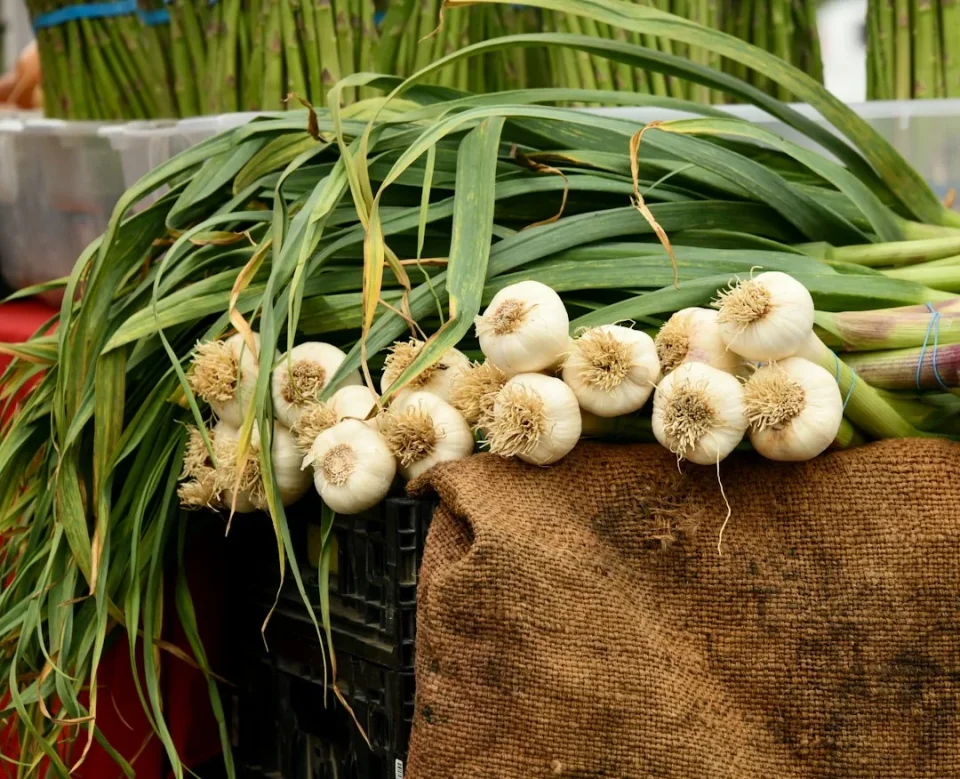
Garlic: Garlic’s strong aroma and taste reduce the need for salt. A study in Nutrients found compounds in garlic promote production of nitric oxide and inhibit angiotensin-converting enzymes—mechanisms similar to blood pressure medications such as benazepril and enalapril—making garlic beneficial for hypertension.
Onions: Sautéing onions releases sugars that enhance flavor; chives or green onions can be added raw to salads or stir-fries. Research in the Iranian Journal of Basic Medical Sciences found onions lower blood pressure and slow heart rate by blocking calcium entry into smooth muscle of the heart. Onions also contain quercetin, an antioxidant that can lower systolic blood pressure by up to 5 mmHg.
Ground pepper: Ground black pepper stimulates endorphin release in the brain, reducing cravings for salty flavors, according to a study in Social Cognitive and Affective Neuroscience. Piperine in black pepper induces vasodilation, and regular consumption of capsaicin—the heat component of chili peppers—has also been shown to lower blood pressure.
Seaweed: Seaweed is high in potassium chloride and low in sodium chloride, so it adds a salty taste with less sodium. A review in Frontiers in Nutrition found that seaweeds such as roasted seaweed and kelp contain plant-based polysaccharides that help eliminate sodium and reduce fluid retention, a contributor to high blood pressure.
These nine salt alternatives can boost flavor while lowering sodium intake; medical cautions noted above—particularly concerning potassium—should be observed where applicable.
