

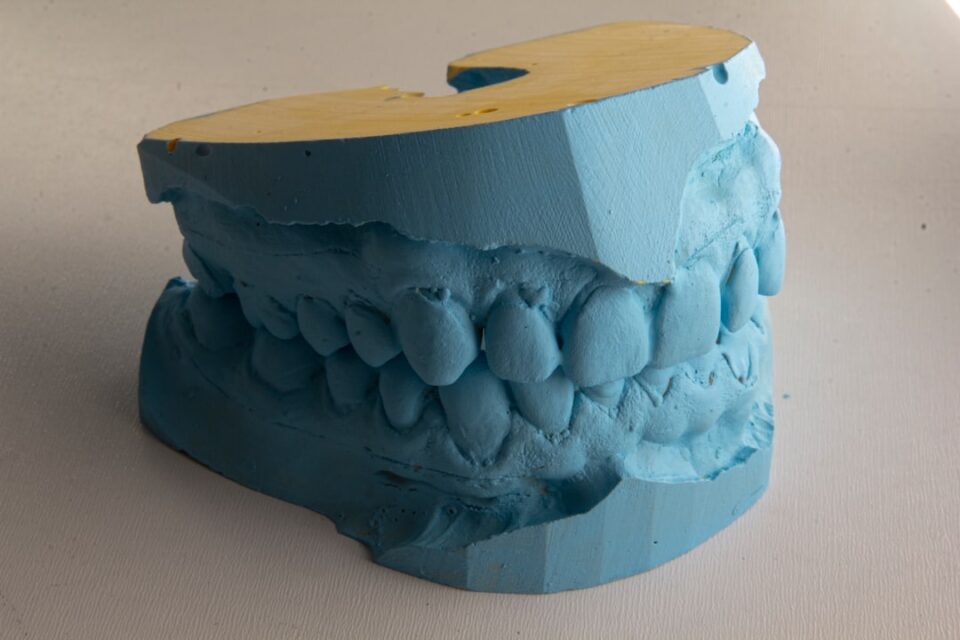
Dentistry is witnessing a subtle transformation as researchers explore natural disinfectants in prosthodontics and oral implantology. Compounds such as propolis, green tea polyphenols, and clove oil are showing potential to rival or even surpass synthetic disinfectants like chlorhexidine, without the associated adverse effects. These natural agents, derived from plants, animals, and minerals, not only target harmful bacteria and biofilms but also aid in healing. However, challenges such as standardizing extraction methods, conducting thorough clinical trials, and obtaining regulatory approval need to be addressed before these alternatives can be widely adopted in dental practices.
Synthetic disinfectants have been the norm in dental care, yet their prolonged use poses risks like mucosal irritation, cytotoxicity, and antimicrobial resistance. This has led to a growing interest in natural alternatives that are more biocompatible, less toxic, and environmentally friendly. Unlike their synthetic counterparts, natural disinfectants have a smaller ecological footprint and are often more culturally acceptable to patients.
The mechanisms by which these natural agents operate include direct antimicrobial effects, biofilm disruption, and anti-inflammatory activities. For example, epigallocatechin gallate (EGCG) from green tea can suppress the virulence of Streptococcus mutans, while propolis and clove oil offer antimicrobial and anti-inflammatory benefits.
In practical applications, essential oils and phytochemicals show promise in prosthodontics by reducing microbial colonization on dentures and combating plaque-causing bacteria. In oral implantology, natural coatings on implants and the use of propolis and EGCG can enhance outcomes by reducing pathogens and inflammation.
Despite promising laboratory results, the variability in composition, regulatory hurdles, and limited clinical data pose significant barriers. Future priorities include standardizing extraction processes, conducting clinical trials, and developing innovative delivery systems. With these advancements, natural disinfectants could become mainstream, aligning with the growing demand for safer and greener dental care solutions.
