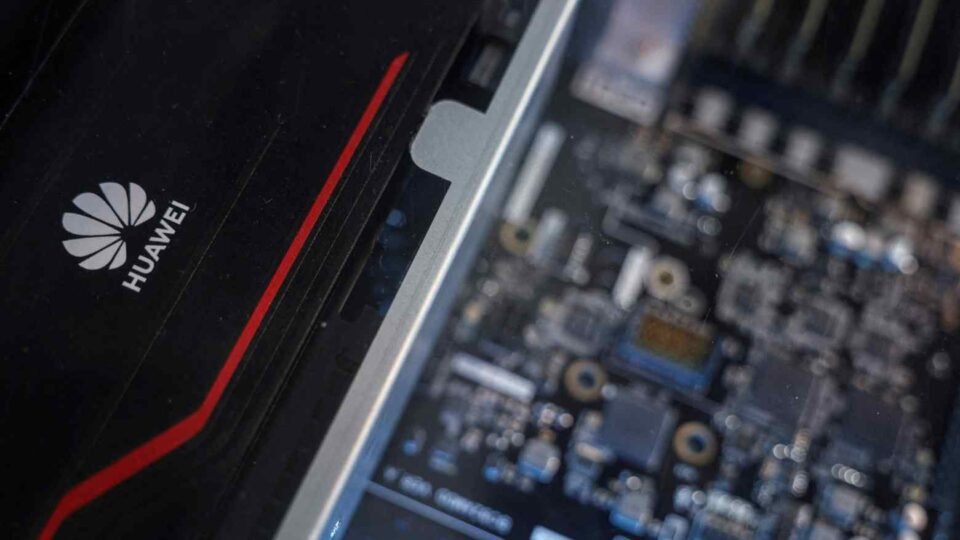
Huawei Technologies has announced a significant advancement in AI computing, unveiling hardware that promises world-class computing power without relying on Nvidia’s advanced chips. This development could alleviate the supply constraints hindering China’s AI ambitions. The Shenzhen-based company introduced the “world’s most powerful” supernode computing cluster, built using local chipmaking processes, enhancing China’s self-reliance in AI technology. At Huawei’s annual Connect Conference in Shanghai, Xu Zhijun, the company’s deputy chairman, highlighted their plan to develop a “supernode + cluster” computing solution using domestic chip manufacturing capabilities to address increasing computing demands. Huawei also plans to release upgraded Ascend AI chips over the next three years, including the Ascend 950PR in early 2026, aligning with the timelines of Nvidia and AMD. This announcement follows Beijing’s directive for tech giants to reduce reliance on Nvidia’s tailored chips, which comply with US export restrictions. Huawei is at the forefront of creating solutions to support China’s AI aspirations independently of US technology. The company introduced the Atlas 950 and 960 SuperPoD systems, which support thousands of Huawei’s Ascend processors, leading globally in processor scale and computing power. Additionally, Huawei announced the Atlas 950 and 960 SuperCluster systems, capable of scaling to support between 500,000 and 1 million processors, claiming them to be the world’s largest AI compute clusters.
Has Huawei achieved an AI computing breakthrough for China?