

Microsoft has alerted users of its advertising platform to a new threat: OAuth consent phishing. This sophisticated attack mimics legitimate login prompts, tricking users into granting access to sensitive advertising data and credentials without needing to steal passwords. Unlike traditional phishing, these attacks exploit the OAuth system, which is commonly used for secure sign-ins across major platforms like Google and Facebook.
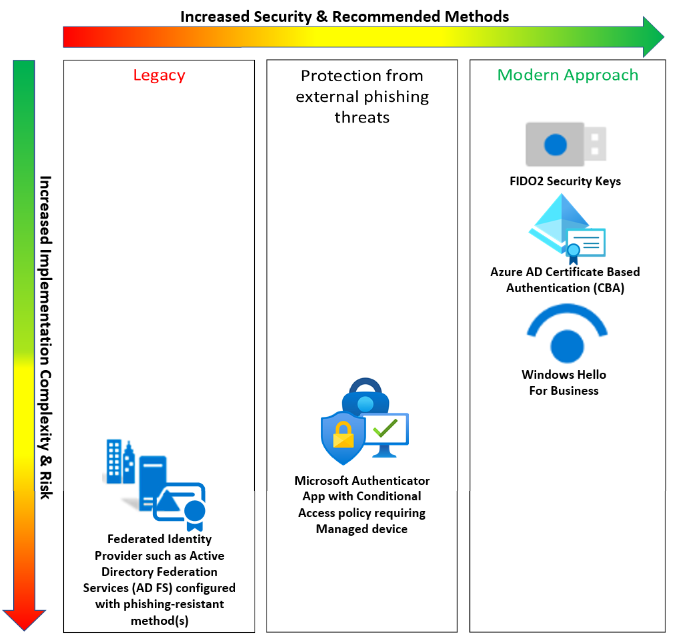
To mitigate risks, Microsoft advises users to review and revoke permissions for any unfamiliar apps via myapps.microsoft.com, change passwords, and enable two-factor authentication. Reporting suspicious activities to IT teams or Microsoft support is also recommended.
OAuth consent phishing poses significant risks to advertisers, potentially leading to hijacked campaigns and exposure of sensitive information. As digital marketing increasingly relies on interconnected systems, the industry must remain vigilant against these evolving threats. Security experts warn that such attacks may rise as cybercriminals exploit the trust-based design of OAuth, affecting not just Microsoft but other major platforms as well. Regular app audits and maintaining strong credential practices are essential defenses.
