

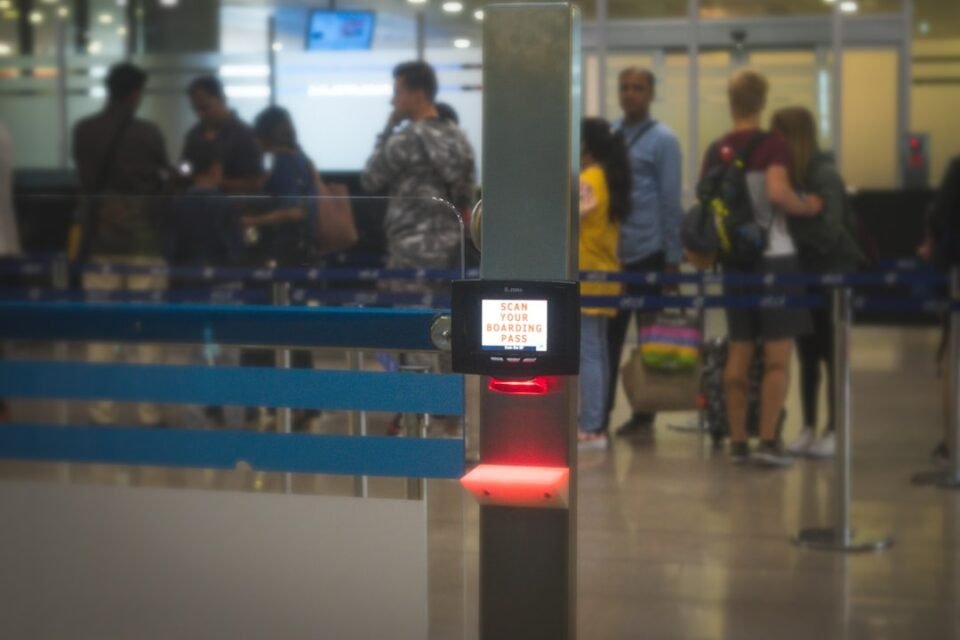
In 2026, the landscape of travel technology is undergoing significant changes, revolutionizing how people plan and experience their journeys. Innovations are enhancing every aspect of travel, from booking to crossing borders and exploring destinations, focusing on efficiency, personalization, and seamless mobility. Both government initiatives and private sector advancements are contributing to this transformation, making travel more convenient while ensuring security.
A key development is the European Union’s Entry/Exit System (EES), launched on October 12, 2025. This digital border control system replaces manual passport stamping with biometric identity verification, using fingerprints and facial images to track the movement of non-EU nationals across the Schengen Area. The system aims to be fully operational by April 10, 2026, streamlining border processing with enhanced security.
Automated border control systems, or eGates, are increasingly prevalent at international airports. These systems utilize biometric data from e-passports to verify identities, reducing the need for manual checks and speeding up processing times. France’s PARAFE system exemplifies this trend, using facial recognition at automated gates for quicker border crossings.
Artificial intelligence is playing a growing role in travel, offering personalized itinerary suggestions and dynamic pricing models. AI enhances customer service by automating responses and refining search results, tailoring travel experiences based on individual preferences.
Augmented reality (AR) and virtual reality (VR) are also becoming popular, allowing travelers to explore destinations virtually. These technologies enrich trip planning and enhance on-site exploration with interactive guides.
The Internet of Things (IoT) is creating connected travel environments, offering smart luggage tracking, mobile check-ins, and connected hotel rooms for greater convenience. These advancements improve airport operations and streamline travel experiences.
Overall, 2026 marks a shift towards more intelligent, automated, and personalized travel experiences. From biometric border systems to AI-driven planning tools and connected IoT environments, innovations are simplifying logistics and enriching travel experiences, creating a smoother and more tailored journey for travelers.
