

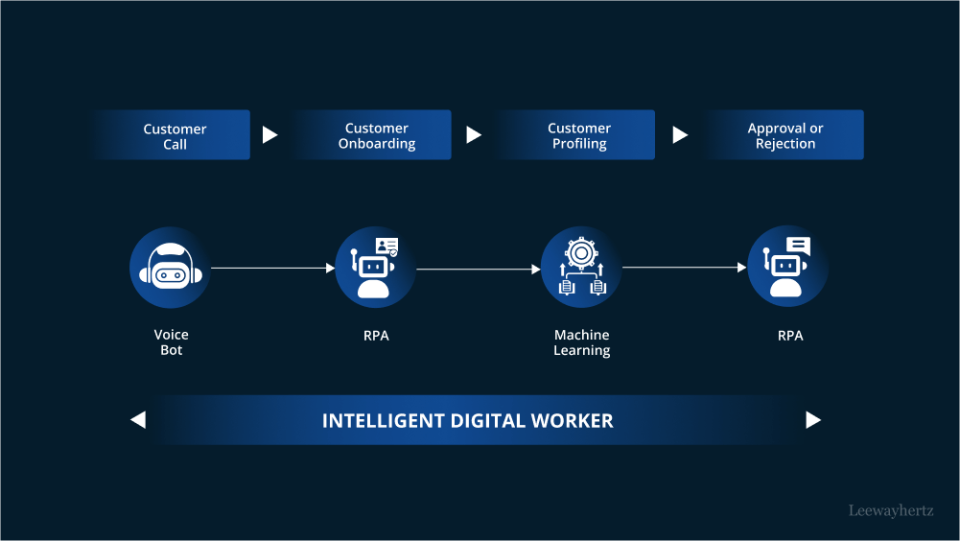
Copperlane, a startup specializing in AI-driven mortgage origination, has secured $4.1 million in seed funding to streamline labor-intensive mortgage processes. The funding, led by TQ Ventures with participation from Y Combinator and others, aims to automate document collection, borrower communication, and file preparation before underwriting. At the heart of Copperlane’s platform is “Penny,” an AI assistant that quickly reviews documents, identifies issues, and guides borrowers, significantly reducing the time traditionally spent on manual reviews.
The startup enters the market as lenders seek cost reductions and productivity improvements amid high mortgage rates and compressed margins. Unlike other AI investments focused on lead generation and customer service, Copperlane addresses operational bottlenecks between application and underwriting. The company argues that coordination, rather than capital, limits the mortgage market, with much friction arising from repeated document requests and fragmented communication.
Penny acts as a central contact for borrowers, communicating through various channels and ensuring completeness before files reach underwriting. Copperlane describes its platform as an AI-native Loan Origination System (LOS), integrating with existing systems while maintaining human oversight in lending decisions.
Founded by Athan Zhang and Brianna Lin, Copperlane aims to alleviate mortgage professionals from paperwork burdens, allowing them to focus on building relationships. The platform automates tasks traditionally handled by loan officer assistants and processors, raising questions about AI’s potential to reduce operational challenges in mortgage lending.
With lenders processing over $50 million monthly using Copperlane, the platform claims to reduce workloads and enable loan officers to manage more loans. However, the industry’s cautious approach to AI, due to regulatory concerns, leaves open the question of AI’s role between borrowers and loan officers. As lenders seek cost-effective solutions, Copperlane’s approach may become increasingly appealing, focusing on administrative efficiencies rather than underwriting decisions.
