

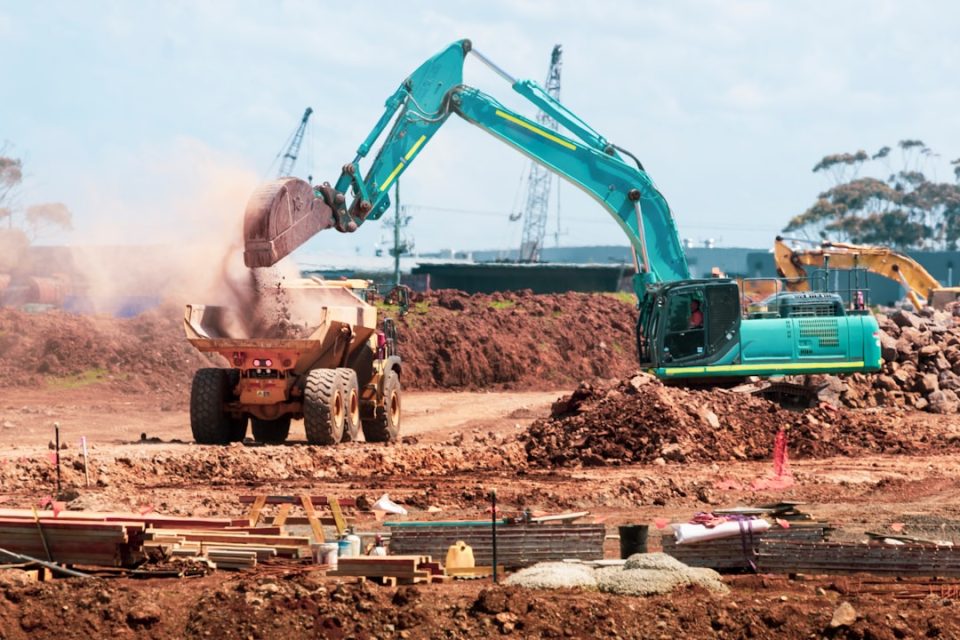
The construction industry is undergoing a significant transformation with the integration of AI tools, connected equipment, and insurance incentives. By 2026, these innovations are expected to move from pilot programs to standard practices, driven by technological advancements and strategic partnerships. Contractors are facing challenges such as labor shortages, tighter margins, and rising insurance costs, prompting vendors to offer data-driven solutions.
AI is increasingly being used on construction sites, with platforms like Buildots’ Intelligence Lab turning jobsite sensor data into actionable insights. Procore is expanding its software offerings for large construction owners, addressing the complexity of capital programs.
On the equipment front, John Deere is focusing on connected roadbuilding technology, aiming to link machines, operators, and site data to improve efficiency and accuracy. This approach offers a distinct advantage over aftermarket sensors, especially with ongoing federal infrastructure investments.
In the insurance sector, builders risk insurers are offering premium discounts to contractors using site-monitoring technology. This development provides a financial incentive for technology adoption, beyond productivity gains, by reducing insurance premiums and accelerating the return on investment.
As these trends continue, the construction industry will gather at ENR FutureTech in San Francisco in 2027 to explore the latest advancements. The event will feature key industry sponsors and discussions on AI-assisted design and construction scheduling, highlighting the growing importance of technology in project delivery. For contractors, the challenge lies in determining which technologies offer the most immediate benefits to justify their integration.
