

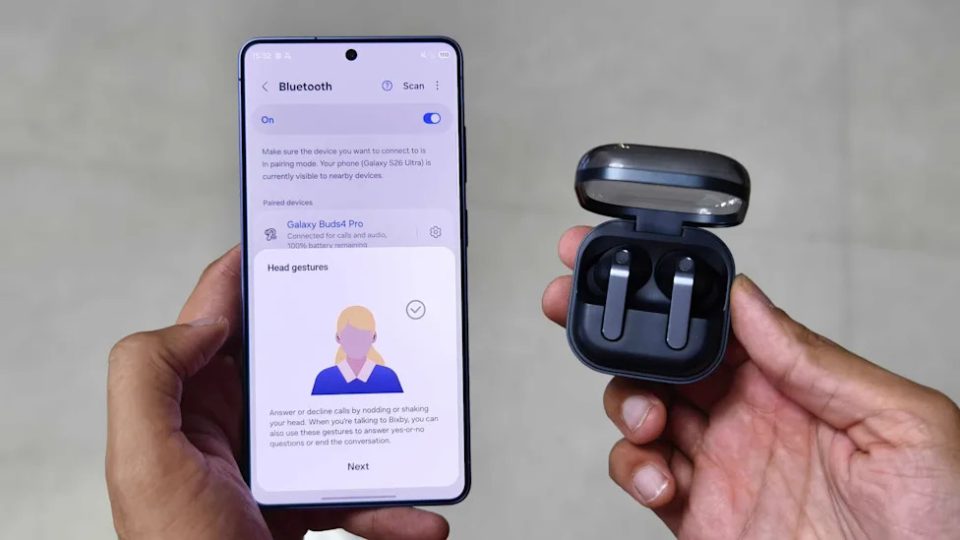
The global smartphone market is under pressure as soaring memory chip prices push device costs higher and squeeze demand. Yet in the turbulent second quarter of 2026, Samsung emerged as the leading shipper, outpacing Apple despite an overall industry slowdown.
Market slump driven by memory chip price surge
Global smartphone shipments fell sharply in Q2, dropping about 11% year‑over‑year to their weakest level for the quarter since 2013. Rising memory chip prices fed through to higher retail prices, curbing consumer appetite and forcing manufacturers to rethink inventory and production plans.
Samsung’s ascent: Galaxy S26 fuels momentum
Samsung captured roughly 24% of global smartphone shipments in Q2 and posted the strongest year‑over‑year growth among the top five vendors. The Galaxy S26 series has been a key driver, combining competitive features with targeted pricing strategies. Samsung’s relatively restrained price hikes in regions such as the Middle East and India helped sustain demand where buyers are price‑sensitive.
Apple holds ground but faces future risk
Apple placed second with about a 20% share and recorded a modest 3% increase in shipments versus the prior year. Stable iPhone demand and a reluctance to raise prices this quarter supported Apple’s performance. However, continued pressure from component costs means Apple may face tough choices on pricing that could affect volumes in coming quarters.
Implications for manufacturers and consumers
Higher memory chip prices are forcing handset makers to balance margins, volumes and product mix. Expect greater emphasis on mid‑range models, promotional campaigns, and localized pricing tactics to preserve market share. Consumers may see fewer deep discounts and a slower cadence of feature upgrades as companies protect profitability.
Where the market goes next
Short‑term shipment figures will hinge on chip cost trajectories and how aggressively vendors pass those costs on to buyers. Samsung’s current lead reflects both product strength and tactical pricing, but persistent component inflation could reshape rankings and dampen overall growth through the rest of the year.
In a market squeezed by component inflation, Samsung leads for now, Apple remains resilient, and the broader industry faces a delicate balancing act between price, demand and supply.
