

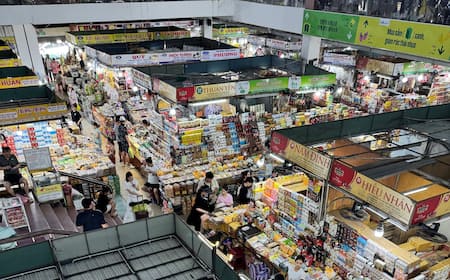
A sudden surge in memory and SSD prices is reshaping commerce at Shenzhen’s famed electronics market, forcing traders to pass costs onto buyers and reshuffling the priorities of PC assemblers and retailers.
Huaqiangbei under pressure
Vendors across the district report steep increases in the price of DRAM modules and solid-state drives. Components that once represented a modest share of a desktop or laptop bill now dominate build costs, squeezing margins for small assemblers and specialty shops.
Traders adjust pricing and inventories
Merchants say the supply squeeze has prompted hard choices: raise prices, reduce stock, or both. Some sellers who anticipated the shortage and stockpiled inventory last year have profited handsomely; others are scrambling to source chips, often paying premiums that are then passed to end customers.
Impact on buyers and the market
Many casual consumers are delaying purchases, with only those in urgent need willing to accept higher quotes. Gamers and corporate clients — traditionally heavy buyers of high-capacity SSDs and fast memory — face sharply increased budgets for equivalent performance. The shift is cooling demand in certain segments while inflating sales value for whoever absorbs the higher costs.
Price volatility and expectations
Multiple traders warn that current jumps may be just the start. Reports from central retail towers within Huaqiangbei point to instances where memory prices have multiplied several times in the past year. Such volatility is driving cautious behavior among smaller retailers and incentivizing opportunistic hoarding.
Broader implications for the supply chain
Beyond immediate retail pain, sustained price pressure could alter purchasing cycles, slow upgrade waves, and accelerate interest in alternative storage or memory configurations. Manufacturers and distributors will likely reassess procurement strategies, and rebuild timelines for production runs may be extended as firms weigh higher component costs.
What comes next
With limited short-term relief visible, buyers and sellers alike are bracing for continued turbulence. Those who can delay purchases may wait for stabilization, while traders and assemblers will seek new sourcing tactics to protect margins and retain customers.
The market in Huaqiangbei is adapting rapidly: the current memory squeeze is forcing a reprice of performance and reshaping consumer choices across Shenzhen’s electronics ecosystem.
