

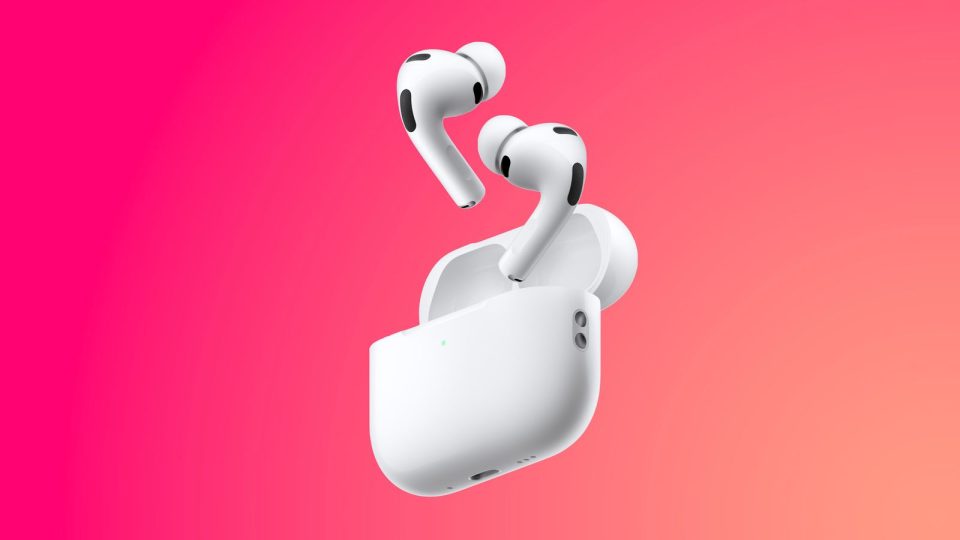
The European Commission has adopted new exemptions to its Batteries Regulation that now relieve products such as the Apple Watch and AirPods from the requirement to offer user-removable and user-replaceable batteries. The decision expands the list of exempt categories to account for the technical constraints and safety risks associated with very compact, sealed designs.
Why the Commission is expanding exemptions
The EU regulation generally requires consumer devices sold in the bloc to allow users to replace the battery, with the aim of extending product lifetimes and easing material recovery for recycling. The Commission has added six exemption categories, arguing that for certain devices, opening a compact enclosure and failing to reseal it properly can compromise waterproofing and create safety risks. Other reasons cited include the inherent danger of disassembly or the practical impossibility of incorporating user access given current manufacturing methods.
Impact on the Apple Watch and AirPods
The new categories explicitly cover wearables — smartwatches and fitness trackers — as well as truly wireless earbuds like Apple’s AirPods. The Apple Watch, which relies on a sealed case and high water-resistance, therefore falls within the exemption, as do AirPods, whose compact form factor makes user replacement difficult and potentially hazardous.
Who else is affected and what it means for manufacturers
Beyond Apple, the provision also applies to Meta’s smart glasses, whose European rollout had been complicated by the original rules. The text also notes that the iPhone already benefited from an exemption because of the longevity of its battery cycles and its water-resistance rating. Not all manufacturers are treated the same: Nintendo, for example, has said it will sell a European version of the Switch 2 with a user-replaceable battery to comply with the rules applicable to handheld consoles.
Apple additionally offers battery-replacement services through its Apple Stores, authorised repair providers, and its Self Service Repair programme, which allows some owners to perform repairs themselves — including battery replacement — in eligible cases.
Regulatory process and timeline
The Commission’s measure is issued as a delegated act and must still be reviewed by the European Parliament and the Council of the EU. If neither body objects, the exemption will enter into force.
