

Chinese MLCC makers’ profits and share prices surge on AI-driven demand
Chinese manufacturers of MLCCs (multilayer ceramic capacitors) are seeing profits and stock prices soar, driven by sustained global demand for AI infrastructure. Several Shenzhen- and Shanghai-listed names hit their daily trading limits after explosive half-year results, even as shortages of high-capacitance components deepen.
A stock rally fueled by AI
On Wednesday morning, Guangdong Fenghua Advanced Technology, a major MLCC supplier for consumer electronics, jumped 10% — the exchange’s daily limit — for the second time this week, bringing its year-to-date gain to more than 180%. On Shanghai’s Star Market, Suzhou GYZ Electronic Technology rose 20% to reach the daily cap. Chaozhou Three‑Circle, a specialist in high-capacitance MLCCs, was up roughly 8% in Shenzhen, taking its YTD gain above 130%; its Hong Kong-listed shares were up 5% on Wednesday.
MLCCs: ubiquitous and strategic components
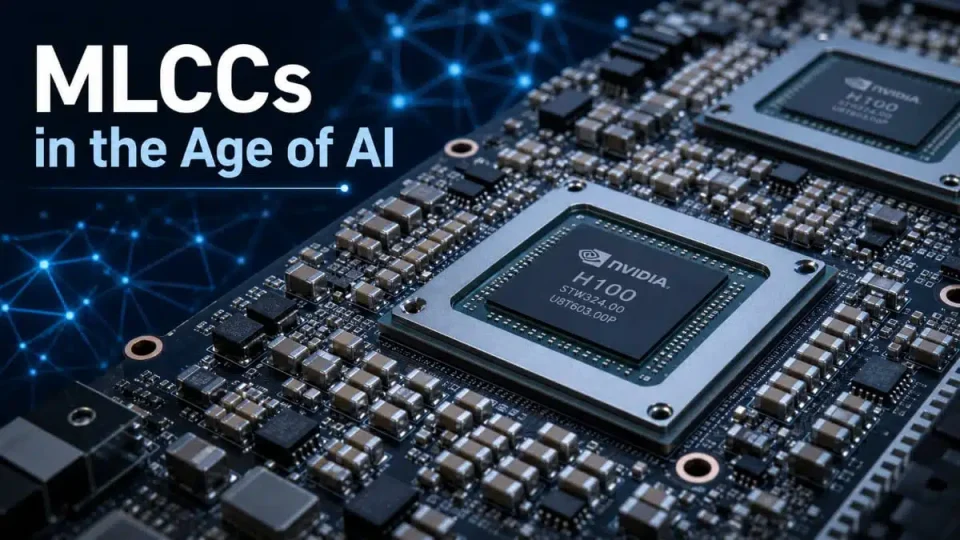
Often called the “rice” of the electronics industry for their small size and ubiquity, MLCCs regulate electrical flows across a wide range of devices — from smartphones and electric vehicles to AI-dedicated servers. The ramp-up of power-hungry data centers and compute clusters has particularly increased demand for high-capacitance MLCCs, tightening supply chains.
Upstream beneficiaries
The surge is also lifting materials suppliers: Jiangsu Boqian New Materials gained nearly 6% and Shandong Sinocera Functional Materials almost 3.5% on Wednesday. These moves reflect a ripple effect along the supply chain, where pressure on production capacity and raw-material availability is becoming more visible.
Signs of sustained global demand
A TrendForce report shows that monthly shipments by the three largest global suppliers — Murata Manufacturing (Japan), Samsung Electro‑Mechanics (South Korea) and Taiyo Yuden (Japan) — hit a five‑year monthly high in June. The data point highlights intensified buying and capacity mobilization to meet rising AI-component needs.
The intersection of stronger AI infrastructure demand and tight supply has driven Chinese MLCC companies’ half-year results and share prices higher, underscoring both the strategic importance of these small components and the fragility of the supply chains that produce them.
