

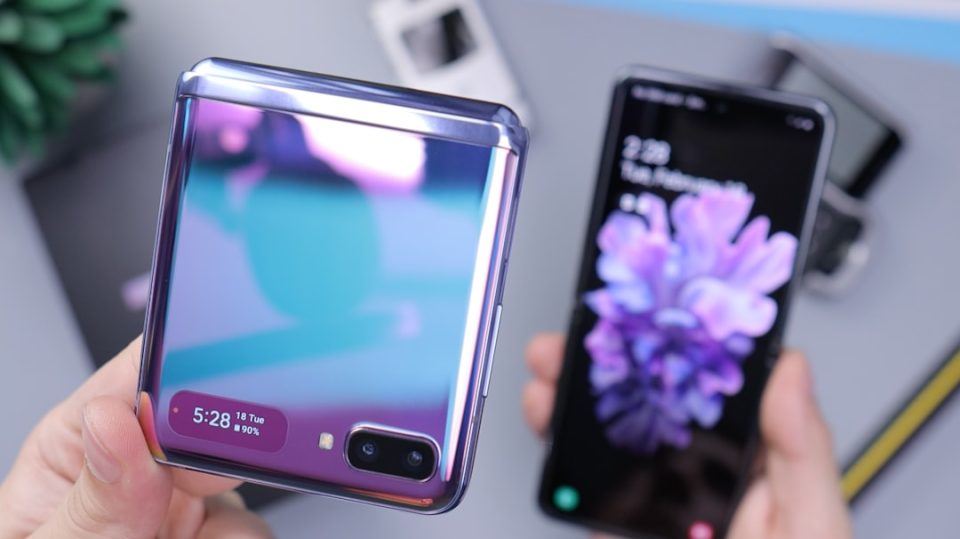
The U.S. Gen Z remains overwhelmingly attached to the iPhone, and the Galaxy Z Flip 8 doesn’t change that. Samsung has refined its clamshell foldable — a thinner, lighter chassis with new cover‑screen features — but the phone launches at $1,199 (an extra $100 over the prior model) with no meaningful upgrades to cameras or charging speed.
Galaxy Z Flip 8: what changes (and what doesn’t)
– What’s new: a slimmer, lighter frame, the Snapdragon 8 Elite Gen 5 in the U.S. variant and expanded functionality for the external cover display.
– What’s the same: the camera modules and charging performance remain unchanged from the previous Flip.
Given the $100 premium over the Z Flip 7, the technical differentiation is modest.
Why Gen Z prefers the iPhone
Social dynamics drive a lot of device choice in this cohort. A fall 2025 Piper Sandler survey of 10,969 teens (average age 15.7) found 87% owned an iPhone — up slightly from the survey’s 2024 result of 85%. Messaging habits like iMessage and the perceived stigma of the “green bubble” play a major role in cementing that loyalty.
A positioning that struggles to win over iPhone users
Samsung’s Flip pitch — nostalgia, playfulness and a “social‑first” design centered on the cover screen — has won some fans, but it hasn’t flipped users raised inside Apple’s ecosystem. Samsung has visibly pushed to get iPhone‑native teens to try a Flip in store and view it as a credible option. Yet at $1,199, the Z Flip 8 is pricier than the baseline iPhone 17 Pro and compares to the base 17 Pro Max in some pricing frames, undermining the narrative of the Flip as a lower‑risk, more accessible entry point to foldables.
The looming threat if Apple enters foldables
The stakes are higher for Samsung because Apple’s move into foldables could reshuffle the market. Early reports suggest Apple’s first foldable will be a “passport‑style” device targeting larger Fold‑type form factors, but a clamshell design from Apple is not out of the question. If Apple supports a similar format, the nostalgia-and-novelty advantages that currently bolster the Flip would be harder to defend.
Bottom line
Samsung shipped a technically improved Galaxy Z Flip 8, but not one radical enough to shift a deeply entrenched Gen Z preference for the iPhone. The obstacle is as much cultural as it is technical: changing social habits tied to an ecosystem takes more than a cosmetic refresh.
