

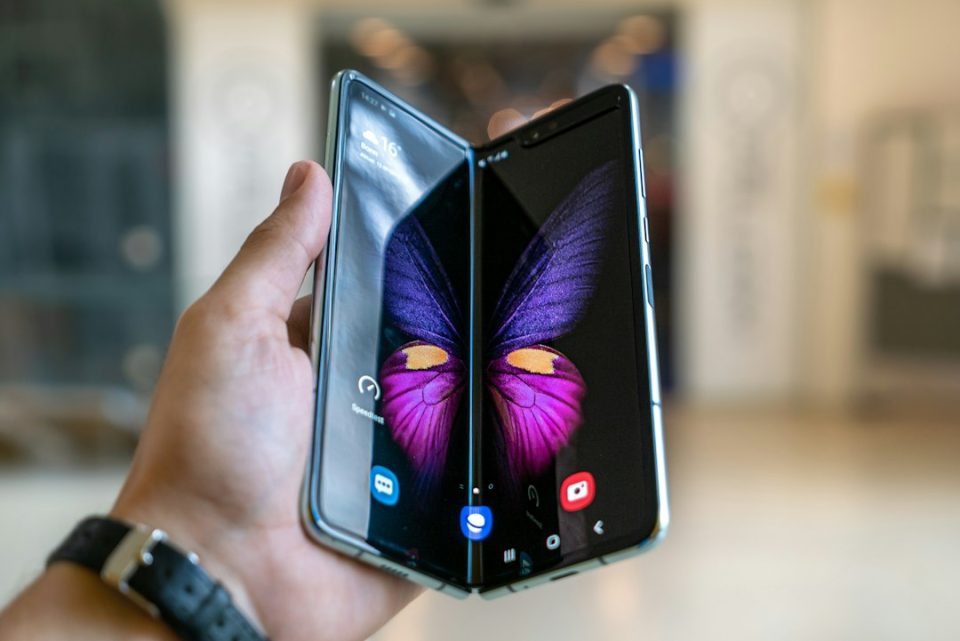
The Galaxy Z Fold8 Ultra delivers the better battery life. It packs a 5,000 mAh (typical) cell rated for up to 27 hours of video playback, edging out the Galaxy Z Fold8’s 4,800 mAh (typical) battery and up to 26 hours of playback. In everyday use both phones easily last a full day; the Ultra simply provides extra headroom for heavier use.
Galaxy Z Fold8 battery life in everyday use
Both models comfortably power a typical day, even with several hours on mobile data. The Fold8 Ultra’s 5,000 mAh (rated minimum 4,854 mAh) gives it a one-hour advantage in rated video playback over the Fold8’s 4,800 mAh (rated minimum 4,660 mAh). Lighter habits—especially sticking to the Fold8’s cover screen—can push either device well into a second day.
Key specs and charging at a glance
Galaxy Z Fold8 Ultra: 5,000 mAh (typical), up to 27 hours video playback, 45W wired charging, up to 67% in ~30 minutes. Galaxy Z Fold8: 4,800 mAh (typical), up to 26 hours video playback, 45W wired charging, up to 63% in ~30 minutes. Both phones use silicon-carbon batteries, support 20W wireless charging and Wireless PowerShare.
Why the Ultra lasts longer
The Ultra’s larger 5,000 mAh battery accounts for its longer rated runtime. It also has a larger main display (8.0 inches versus the Fold8’s 7.6 inches), so the extra capacity helps when the main display is used for extended periods. The Fold8 Ultra also includes an expanded graphite cooling structure and a dual-path charging architecture, which separates power for running the phone from power filling the battery to manage heat and maintain charging efficiency during use.
Charging performance and requirements
Both foldables support 45W Super Fast Charging 2.0 (45W charger sold separately) and reach substantial charge levels in short sessions: the Ultra up to 67% in about 30 minutes, the Fold8 up to 63% in the same time. Samsung includes the required cable in the box, but the power adapter for 45W is sold separately. Both phones also support 20W wireless charging (wireless charger sold separately) and Wireless PowerShare (works with most Qi-compatible devices; requires a minimum of 30% battery to use).
Real-world use and travel
Real-world tests mirrored the specs: both phones easily survive a day, while the Ultra offers more of a safety net for prolonged use of the main display—video calls, heavy streaming, gaming, or photo editing. In a travel test, running navigation on the cover screen for about an hour while playing music in split-screen had little impact on battery and did not make the phone noticeably warm. For long travel days, brief 30-minute charging stops restore a large portion of battery life.
Making batteries last longer and protecting longevity
One UI includes power-saving options that limit background activity and network use to extend runtime, with estimated extension times shown before you enable them. Battery protection settings help preserve long-term health: Basic pauses charging at 100% and resumes at 95%; Maximum lets you cap charge below 100%; Sleep time protection holds the battery at 80% overnight and finishes charging just before your alarm.
If raw endurance is the priority, the Galaxy Z Fold8 Ultra is the clearer choice thanks to its larger battery, one extra hour of rated video playback and slightly faster 30-minute charge rate. That said, the Galaxy Z Fold8 remains a reliable all-day device and the smaller capacity does not meaningfully hamper everyday use for most users.
