

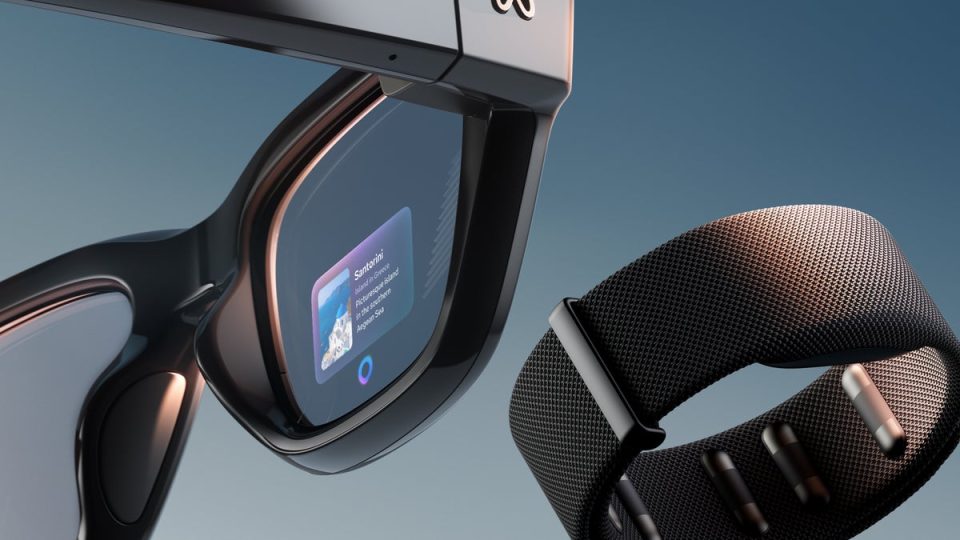
Meta’s new VR Glasses underline a key point for Samsung: its Galaxy Glasses line does not have to emulate a pocketable VR headset. The Meta VR Glasses, unveiled yesterday, pack a 5K micro‑OLED display and promise an immersive private cinema, sports, gaming and multi‑screen workspace experience in a glasses‑like form, while avoiding the helmet appearance of devices such as Apple’s Vision Pro or Samsung’s Galaxy XR. They weigh about 100g because computing, battery and storage are offloaded to a separate puck, and they will sell for $1,299.
Galaxy Glasses and Samsung’s different strategy
Samsung’s positioning in extended reality currently spans two distinct directions. Its Galaxy XR headset remains the company’s only contender in spatial computing so far, but the device has largely been forgotten since launch: there have been no major software or app support announcements, and it is not known if or when Samsung intends to upgrade the headset.
Meanwhile, Samsung spent much of 2026 refining a separate idea: first smart glasses developed with Google, Gentle Monster and Warby Parker that act as an everyday companion to the Galaxy phone. Those glasses have no built‑in display. Instead they rely on a camera, microphones, speakers and Gemini‑powered AI to interpret the wearer’s surroundings and provide assistance without the phone being pulled from a pocket. Samsung says these glasses are intended for everyday routines, work, travel and hands‑free experiences, and that this formula will be carried over to Samsung’s own‑brand Galaxy Glasses when they launch.
Samsung also has another pair of display‑equipped smart glasses in development, described as augmented reality rather than a device that places a large private computing environment in front of the eyes. These AR glasses are expected to be able to show notifications, directions, texts and other crucial information within the user’s line of sight, and are expected to launch at some point next year.
The Meta device demonstrates how far immersive computing can be pushed toward a glasses‑like form factor, but it is solving a different set of problems: delivering an immersive, screen‑based experience and making a headset feel less like a helmet. The source argues that Samsung should not try to turn its Galaxy Glasses into a miniature Meta VR Glasses. Converting everyday, phone‑centric smart glasses into another immersive 3D screen could undermine the idea’s value — namely reducing instances of users pulling out their phones and losing time to scrolling — and any response to Meta’s VR efforts should come through the Galaxy XR line rather than through the phone‑focused Glasses.
Meta’s approach reflects its focus on immersive platforms and social experiences; the new VR Glasses are presented as a logical continuation of that strategy, effectively attempting to make the headset disappear by shaping it into something that looks like glasses. The takeaway for Samsung, according to the same reporting, is to resist over‑doing immersion on its Glasses and to preserve the small, focused‑display, phone‑companion concept that the company has been developing.
