

Since its inception in 1924, Berlin’s IFA has been a pivotal event for unveiling the future of home and consumer electronics. This year, the spotlight was on the evolution of everyday technology, making it smarter and more intuitive. Three significant trends emerged.
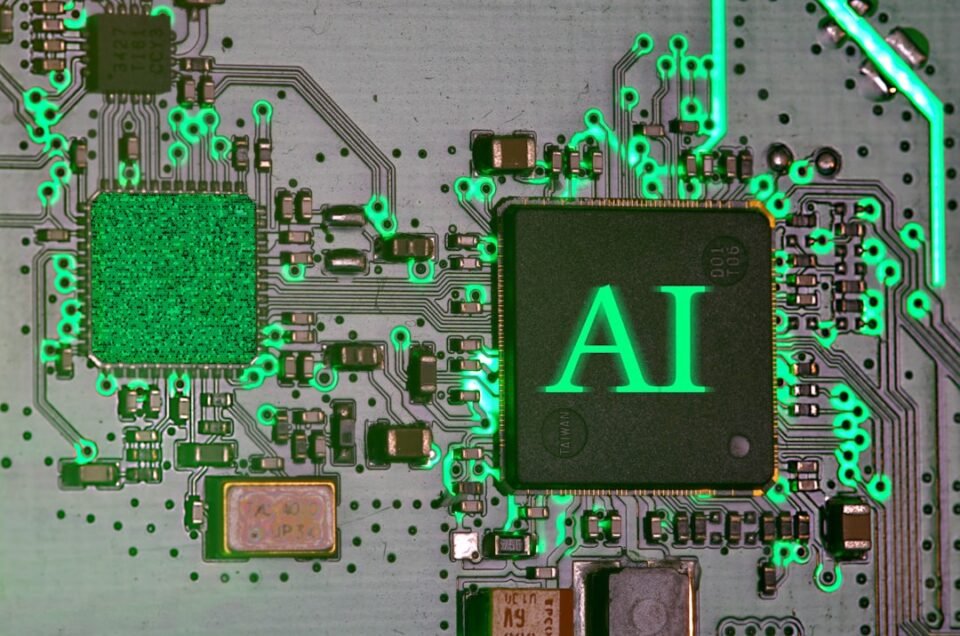
AI has become an integral part of our lives, transitioning from a mere buzzword to a fundamental component of modern appliances. These devices are evolving into intelligent companions, with fridges reminding users of low supplies and washing machines optimizing cycles based on usage patterns. More notably, AI is interconnecting devices into a cohesive ecosystem, enhancing home efficiency through seamless communication.
Personalization is emerging as a critical focus, with devices adapting to user preferences and routines. However, this raises privacy concerns regarding data storage and control, prompting consumers to seek transparency and trust alongside technological advancements.
The event highlighted an evolutionary approach rather than revolutionary innovations. Incremental improvements are enhancing user experience, with robotic vacuums now capable of climbing steps and adjusting cleaning modes. This trend underscores a shift towards making familiar products more intelligent and user-friendly, transforming consumer interactions with technology.
Additionally, a notable geopolitical shift was observed. China is no longer just the world’s manufacturing hub but is now establishing its brands globally. Chinese exhibitors dominated the event, reflecting a strategic focus on domestic market strength and long-term brand development, reshaping global competition.
For South African consumers, these trends are significant. Embracing innovations is not just about technological advancement but also about accessing practical and reliable tech tailored to local needs. The focus is on enhancing customer and after-sales service and leveraging data to understand market dynamics, crucial for the adoption of smart home technology.
