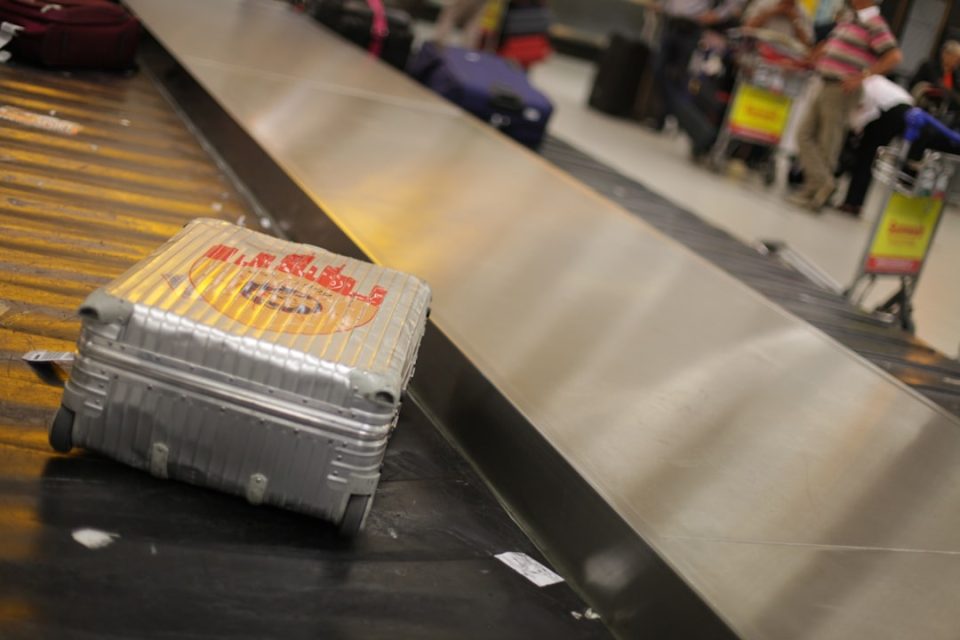
At the beginning of 2026, the Lufthansa Group, which includes airlines like Swiss, Edelweiss, Lufthansa, and Eurowings, implemented stricter regulations for power banks. This move highlights the potential dangers of lithium-ion batteries, which are considered a fire risk, particularly in airplane cargo holds. Recently, an Easyjet flight from Egypt to London had to divert to Rome because a power bank was found in checked baggage, underscoring the seriousness of the issue. Lithium-ion batteries can undergo “thermal runaway,” a process that can lead to overheating, fire, toxic gases, or even explosions. While flight attendants can quickly address such issues in the passenger cabin, a fire in the cargo hold could go unnoticed and pose a significant threat to the aircraft’s structure. The US Federal Aviation Administration reported 39 incidents involving lithium batteries on planes in 2025, highlighting a growing concern. Airlines and authorities have tightened rules, allowing power banks only in hand luggage and prohibiting their use during flights. Batteries must be protected against short circuits, and there are specific watt-hour limits for devices. Travelers are advised to use certified and high-quality power banks to minimize risks. Despite these challenges, alternatives like using smaller batteries or airport charging stations are recommended for those who need extra power on long journeys.
Are airplane hand luggage batteries a hidden danger?