

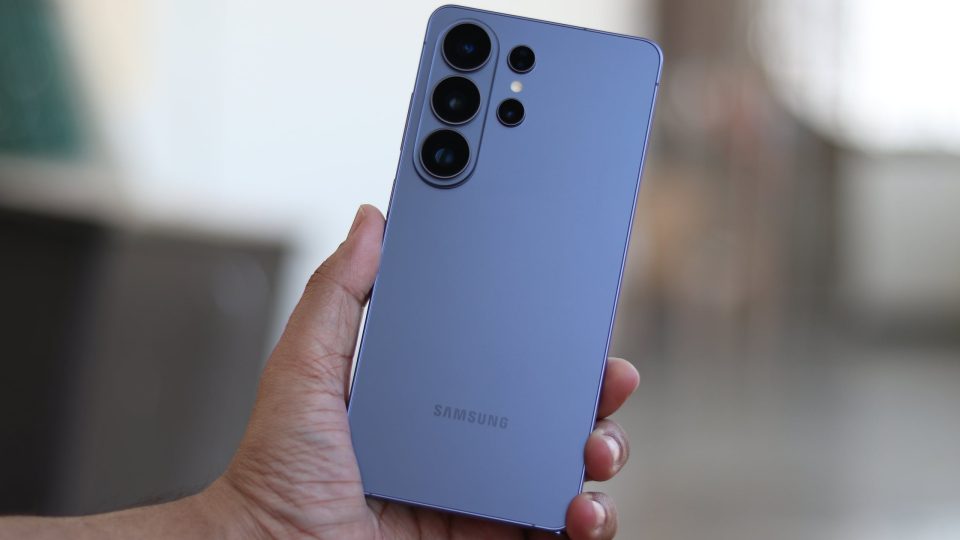
Samsung is testing silicon–carbon anode batteries for the Galaxy S27 series, but may limit the tech to Pro and Ultra models due to higher costs, according to leaker Lanzuk (@yeux1122). As a result, the standard Galaxy S27 and S27+ might not get larger batteries than their predecessors.
A test focused on flagship models
The leak says Samsung is experimenting with silicon–carbon anode batteries for the next-generation Galaxy S27. The company hasn’t made a final decision: the chemistry could either roll out across the whole lineup or be restricted to the Pro and Ultra variants. The choice would be driven primarily by the higher manufacturing cost of the new battery chemistry.
Why cost matters
Silicon–carbon anodes generally offer higher energy density compared with conventional graphite anodes — a key reason manufacturers are interested — but they are more expensive to produce. The report also notes that significant increases in memory and storage chip prices over the past two years have already pushed up smartphone production costs. That price pressure makes it more likely Samsung will selectively deploy the technology to contain device pricing.
Likely impact on the Galaxy S27 and S27+
If Samsung confines silicon–carbon batteries to the Pro and Ultra models, the Galaxy S27 and S27+ could keep battery capacities similar to current models, with no meaningful boost in runtime. The leak explicitly states these two models “may not receive bigger batteries than their predecessors,” meaning users might not see improved endurance from this particular innovation.
What remains unconfirmed
These details come from an unofficial source; Samsung’s final decision will depend on strategic and economic considerations. The company has not publicly confirmed adopting silicon–carbon anodes or reserving them for specific S27 models. An official announcement or technical documentation will be needed to know exactly which models will get the new batteries and in what quantities.
For now, the most plausible take from the leak is that Samsung would prioritize its high-end S27 variants for silicon–carbon batteries to limit cost impact. Buyers should wait for formal confirmation to see how the technology will be distributed across the Galaxy S27 lineup.
