

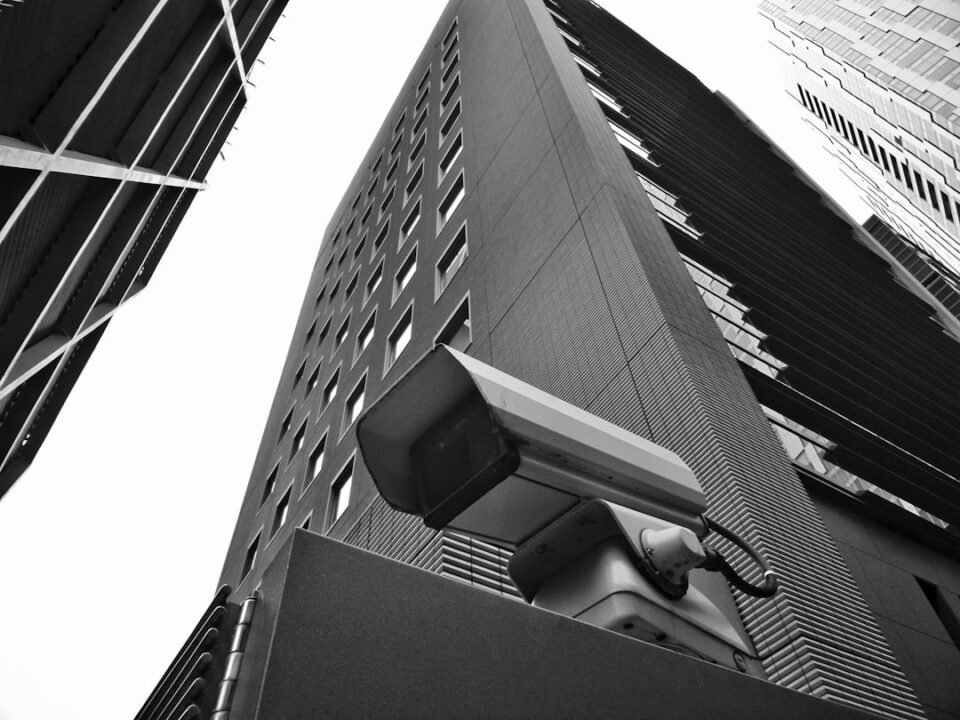
In the current business landscape, enterprise surveillance has transcended traditional camera systems, evolving into sophisticated, data-driven security solutions. Modern organizations are increasingly turning to AI, cloud computing, and advanced analytics to protect their assets, employees, and operations. Innovations such as smart cameras capable of real-time anomaly detection and predictive analytics that foresee incidents before they occur are revolutionizing security approaches. Surveillance now extends beyond mere observation, offering insights, preventing issues, and enabling informed decision-making through technology.
A key trend in enterprise surveillance is the integration of AI and IoT for intelligent, automated monitoring systems. AI-powered cameras employ facial recognition, behavioral analysis, and object detection to swiftly identify potential threats, distinguishing between normal and suspicious activities. This reduces false alarms and enhances response times. For instance, AI can detect unauthorized access, track unusual movement patterns, and identify safety violations in real time, enabling immediate action by security teams.
IoT significantly contributes by linking surveillance devices across various locations via a centralized network. Smart sensors integrated with cameras monitor environmental conditions such as temperature, motion, and sound, providing comprehensive situational awareness. Cloud-based systems enhance these capabilities by allowing remote storage, processing, and analysis of video data, eliminating the need for bulky on-site servers and enabling access from any location. Edge computing is gaining traction, particularly for large enterprises operating across multiple sites, where real-time decision-making is crucial.
Enterprises are also harnessing advanced analytics to convert surveillance data into actionable insights. Predictive analytics tools utilize historical video data and machine learning models to predict security risks, optimize resource allocation, and enhance operational efficiency. Analytics can identify recurring theft patterns, unauthorized access points, or peak activity periods, helping management to bolster security protocols. Features like heat mapping and crowd analysis support safety and compliance across industries such as retail, manufacturing, and transportation.
As digital and connected surveillance systems grow, the risk of cyberattacks on video data and control systems increases. To counter these threats, enterprises are implementing encryption technologies, multi-factor authentication, and zero-trust network architectures. Secure video transmission protocols protect sensitive footage from unauthorized access, while AI-driven anomaly detection tools identify unusual network activity in real time. Additional features include facial blurring, consent-based monitoring, and controlled access to video feeds, enhancing data privacy and security.
