

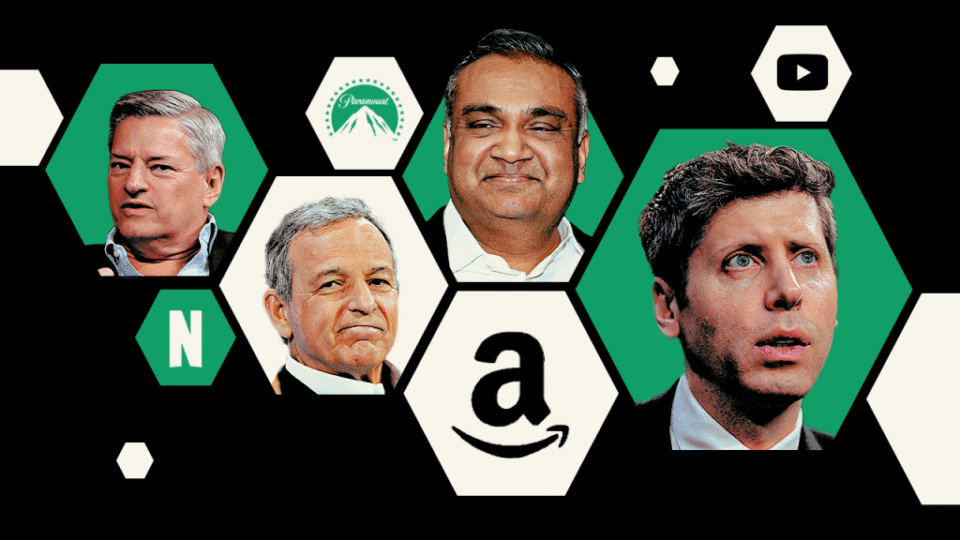
In 2026, the landscape of sports broadcasting will see a major shift as streaming platforms take center stage, overtaking traditional TV. With Patrick Mahomes playing on YouTube, the NBA streaming on Peacock, F1 partnering with Apple TV, and MLB’s Home Run Derby airing on Netflix, fans now turn to online platforms for their sports fix.
The battle among digital giants intensifies as they compete to become the primary app for sports enthusiasts. Amazon and YouTube are vying to be the ultimate sports hub, offering not just games but also news and betting options. YouTube boasts the exclusive Sunday Ticket package and a range of content from ESPN+ and Peacock, while Amazon strengthens its lineup with the Masters and an NBA deal that pulls League Pass from YouTube.
Meanwhile, Netflix and Paramount continue their rivalry over Warner Bros. Discovery’s assets. Netflix’s potential acquisition of the Harry Potter franchise positions it as a dominant force in entertainment, while Paramount’s successful bid for UFC rights expands its sports offerings. As Netflix grows, it becomes an attractive platform for sports rights holders seeking vast audiences.
ESPN faces a unique challenge with TikTok. Despite having a massive following on the social media platform, ESPN aims to draw users to its app by offering AI-enhanced features and hiring popular TikTok creators like Katie Feeney. The network must balance its presence on social media with driving traffic to its own platforms.
Artificial intelligence also plays a role in shaping the sports industry. Disney’s investment in OpenAI and legal actions against Google highlight the tech giant rivalry. Both companies seek to enhance sports experiences through AI, providing innovative solutions for broadcasters and fans alike. The success of these technologies will determine their impact on the future of sports.
