

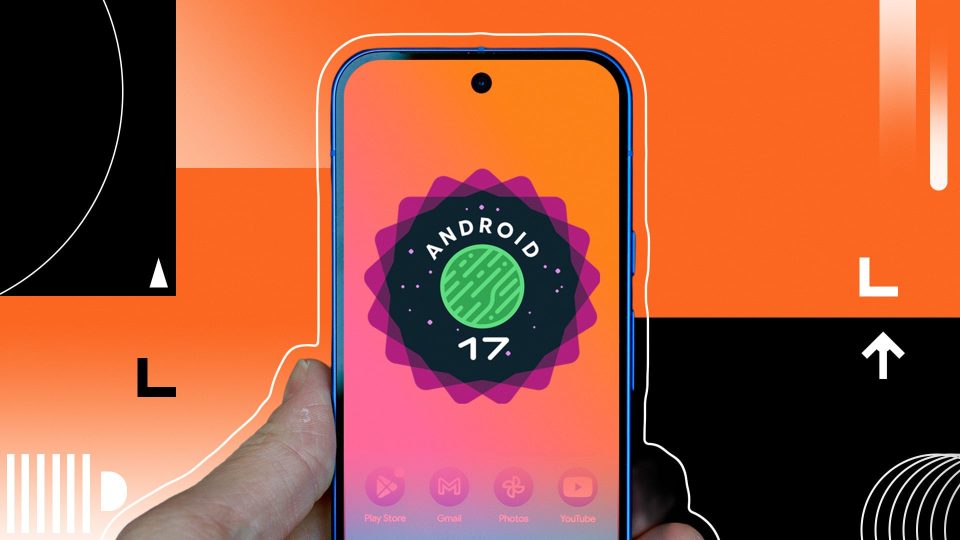
Google is broadening the scope of Android with the release of Android 17, introducing features centered around AI assistance, enhanced privacy, and seamless task continuity across devices linked to the same Google account. Unveiled during the Google I/O 2026, this update emphasizes cross-device experiences as Android expands into tablets, watches, TVs, cars, and XR hardware. The integration of Gemini-powered features enables Android to anticipate tasks, offer recommendations, and automate actions across apps.
A standout feature, Continue On, allows users to transfer active tasks between Android devices without interruption. Initially supporting phones and tablets, this feature enables activities to appear on connected devices under the same account. Demonstrations highlighted the ability to continue a document from a phone to a tablet or transfer Gmail activity to Chrome on another device, showcasing bidirectional functionality.
This feature is part of Google’s efforts to enhance continuity within the Android ecosystem, challenging Apple’s established Handoff feature. Though initially limited, it represents a significant step towards creating persistent workflows across Android devices.
AI underpins many of Android 17’s updates, with Gemini orchestrating apps and tasks across services. Consumer-facing AI features include scam detection in messaging apps and the Magic Cue recommendation system. Android 17 also boosts on-device AI processing for image and video enhancements, reducing reliance on cloud processing.
The update introduces Eclipsa Video for improved HDR playback, updates picture-in-picture capabilities, and adds new media libraries for video and navigation. Privacy enhancements include requiring permissions for local network access and limiting data access by apps. The contact and photo pickers offer more selective data sharing, and stronger protections are implemented for one-time passwords.
Android’s expanding multidevice reach, with over 580 million large-screen users, prompts developers to support adaptive layouts across devices. Wear OS 7 integrates more closely with phones, offering improved media controls and battery life. Widgets are also expanding into more categories, including vehicles and XR devices.
Under the surface, Android 17 introduces advanced system controls for memory usage and graphics processing, utilizing Vulkan technologies and enforcing stricter memory management. The update aims to transform Android into a continuous computing environment, where apps, AI, and devices function as interconnected layers within a unified ecosystem.
