

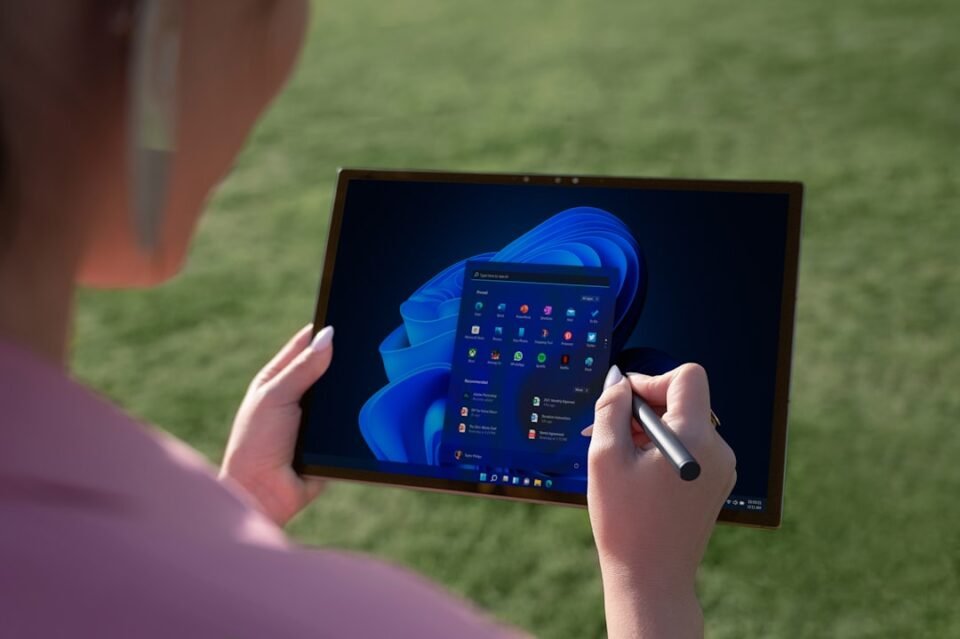
Mobile gaming has evolved into a dominant force in the entertainment industry, surpassing both console and PC gaming in revenue. In the United States alone, mobile gaming generated over $41 billion in 2022. Popular games like Call of Duty: Mobile, Genshin Impact, and PUBG Mobile continue to lead in downloads and earnings, with no signs of slowing down. As we look towards 2025, several technological advancements are poised to revolutionize the landscape.
Payment methods in gaming are undergoing significant changes. Microtransactions, subscriptions, and seasonal passes are integral, and the way players pay is becoming just as crucial. Digital wallets, biometric logins, and contactless systems are now widespread, while cryptocurrency is gaining traction for its speed, transparency, and security, offering players more control over their spending.
Network advancements, particularly the expansion of 5G, are enabling players to stream high-demand games with minimal lag. Cloud services like Xbox Cloud Gaming and NVIDIA GeForce NOW are demonstrating that console-quality experiences can be streamed to smartphones. By 2025, this will likely become the standard, allowing gamers to access the latest releases without lengthy downloads or large storage requirements.
Augmented reality (AR) is also set to expand, with games like Pokémon Go showcasing the potential for blending real-world exploration with digital gaming. As smartphone hardware improves and AR glasses become more accessible, new genres will emerge. Imagine a shooter game where enemies appear in your living room or a strategy game unfolding across your coffee table. By 2025, AR is expected to be a major selling point for new releases.
Cross-platform play is transforming player expectations, allowing seamless transitions between devices without losing progress. Games like Fortnite and Minecraft have set the precedent, and more studios are following suit. This trend is particularly strong in the US, where players frequently switch devices and expect their content to travel with them.
Artificial intelligence is influencing game design and player experience. Smarter in-game opponents, adaptive difficulty settings, and personalized recommendations are becoming standard. AI can adapt to player behavior, adjusting challenges in real time to maintain engagement without overwhelming players. Major publishers are heavily investing in AI-driven features to ensure mobile games match the depth of console titles.
Finally, mobile hardware is advancing rapidly, with devices now rivaling dedicated consoles in processing power. Improvements in battery life and cooling systems, along with powerful chips from Apple and Qualcomm, ensure that mobile games can offer expansive worlds and high-end visuals.
The future of mobile gaming is promising, with advancements in networks, AI, AR, payment systems, and cross-platform play setting the stage for richer, faster, and more connected gaming experiences.
