

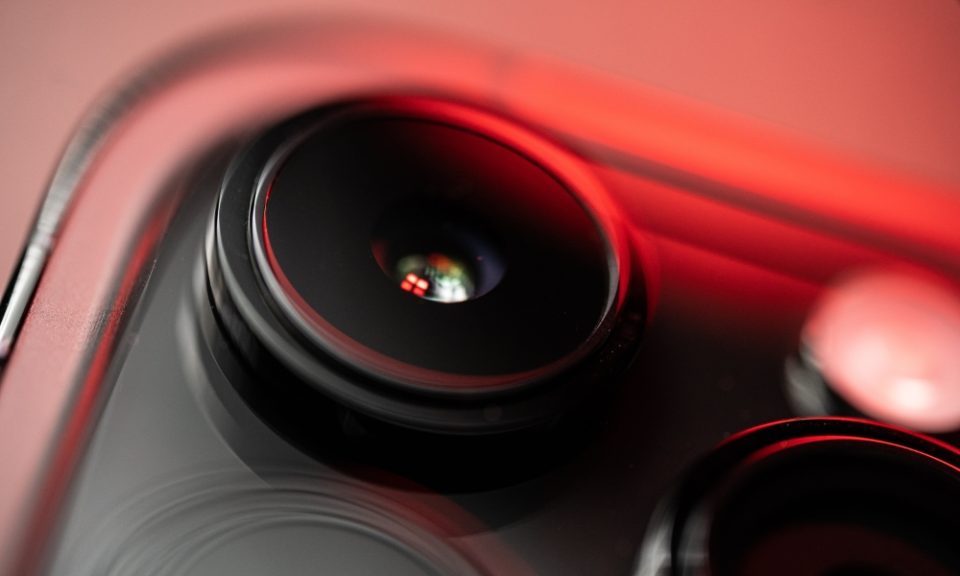
The iPhone 18 Pro and iPhone 18 Pro Max are expected to introduce a variable-aperture lens to Apple’s lineup — a first for iPhone hardware. This optical change would alter the amount of light entering the lens, with direct implications for photo and video quality, notably in bright daylight.
What a variable aperture is — and why it matters for the iPhone 18 Pro
An aperture is the opening in a lens that lets light through, similar to the pupil of an eye. Current iPhones rely on a fixed aperture and compensate with exposure settings and computational processing. A variable aperture adds a mechanical layer of control: the lens can physically open or close depending on lighting, instead of relying solely on electronic adjustments.
What users should notice in practice
The most immediate expected benefit for the iPhone 18 Pro is more natural-looking video outdoors. In bright sunlight, the ability to physically reduce incoming light should limit blown highlights and allow for longer exposure times per frame, producing smoother, less artificial motion. In still photography, finer light control can improve edge sharpness and make portrait bokeh look more natural, rather than being entirely simulated by software.
What remains unknown
It’s unclear whether the variable aperture will be user-adjustable or fully managed by the iPhone’s system. That distinction matters: a manual option would make the device more of a photographer’s tool, while automatic control would be invisible to users but could improve results seamlessly. No additional technical specifications have been confirmed.
Timeline and context
Both models are expected at Apple’s annual September launch, reportedly alongside a first foldable iPhone. Until Apple confirms details, the exact aperture behavior and its full implications remain speculative.
If implemented as anticipated, a variable aperture would be a notable upgrade for the iPhone 18 Pro: fewer daylight artifacts, more natural video, and potentially more convincing portraits — with the key remaining question of how much control users will be given.
