

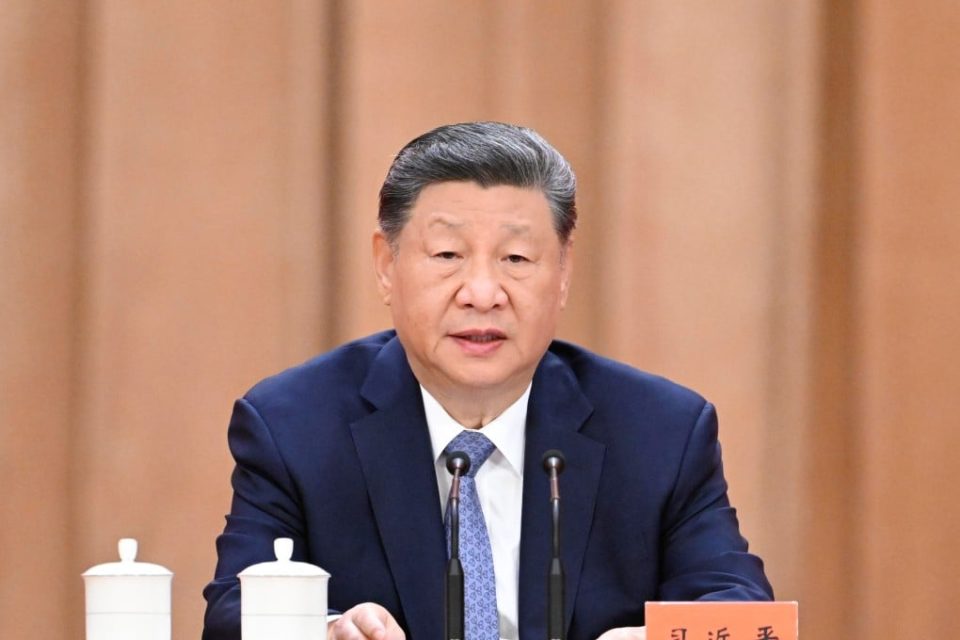
Xi Jinping’s first appearance at the World Artificial Intelligence Conference (WAIC) has been widely interpreted in the West as the official rise of AI in China. In reality, the gesture mainly signals the completion of a bureaucratic capture: Chinese AI is becoming a strategic instrument of the state, at the expense of the disruptive experimentation needed for software breakthroughs.
A presidential presence that narrows the space for innovation
When the highest level of the state puts its name on an industry, it is not without consequences: it shrinks the room for unconstrained experimentation, channels funding and attention toward initiatives that serve strategic or political priorities, raises compliance and surveillance pressures, and lowers tolerance for the kind of risk-taking and failure that often produce radical software advances.
