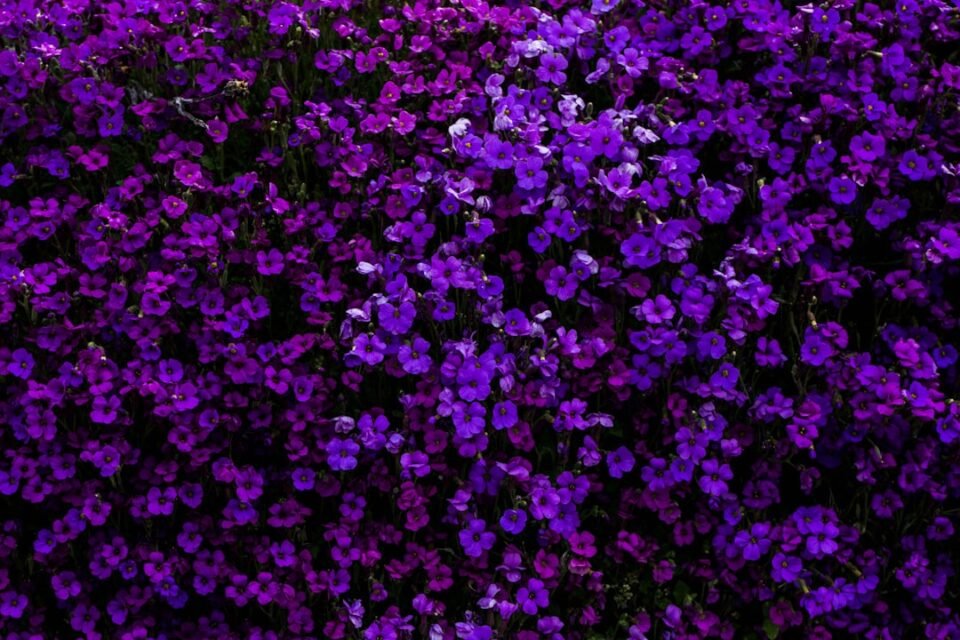
Amid growing concerns about water scarcity and ecological diversity, Americans are reconsidering traditional lawns. Although turfgrasses serve various purposes like playing surfaces and erosion control, they require significant upkeep and resources. As droughts and water restrictions become more common, exploring alternatives to grass is increasingly appealing. Whether you aim to attract pollinators, manage shaded areas, cover steep slopes, or simply reduce mowing, there are numerous plant options to suit your needs. Lawns traditionally stabilize soil and provide open spaces for activities, but integrating a mix of low-growing plants can enhance ecological benefits. Options like flowering perennials and native sedges offer functional and aesthetic advantages. For instance, Green and Gold, a native ground cover, thrives in shaded areas and adds vibrant yellow blooms to landscapes. Other alternatives like Creeping Speedwell, Creeping Thyme, and Blue Star Creeper provide durable, visually appealing ground covers with varying tolerance to foot traffic and light conditions. Each plant offers unique benefits, from attracting pollinators to reducing maintenance needs, making them excellent substitutes for conventional lawns.
What Are the Best Grass Alternatives for a Low-Maintenance Lawn?