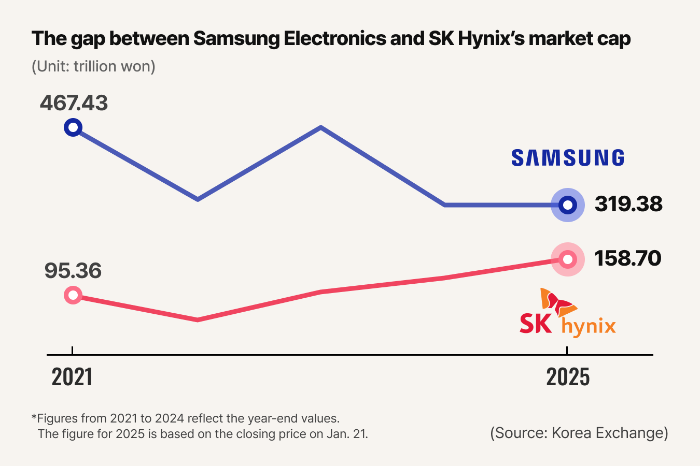
The global AI community is focusing on the upcoming International Conference on Learning Representations (ICLR) in Rio de Janeiro, where Google’s TurboQuant technology will be thoroughly evaluated. TurboQuant, which compresses the KV cache used by large language models, promises to improve memory efficiency by reducing usage to one-sixth. While initial reactions suggested a potential negative impact on memory semiconductor giants like Micron, Samsung Electronics, and SK hynix, experts argue that these concerns are overstated. Industry leaders believe that TurboQuant’s efficiency could actually increase demand for memory semiconductors by enabling more companies to adopt advanced AI technologies. As the technology is validated, it may drive infrastructure expansion and broaden AI service capabilities, ultimately benefiting memory manufacturers. Future stock prices for these companies are expected to be influenced more by supply-side dynamics and production capacity competition rather than demand alone.
Will Google’s TurboQuant Boost Demand for Samsung and SK hynix?