

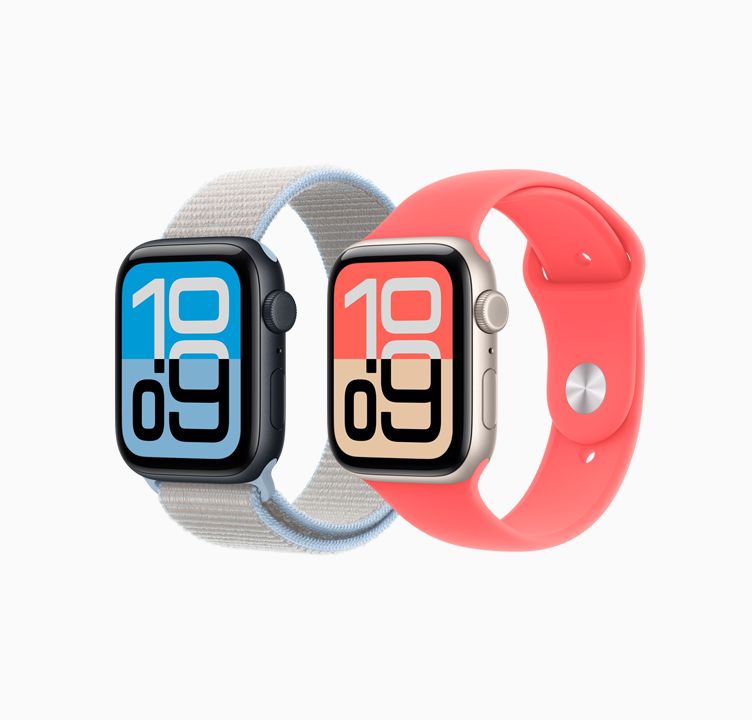
Apple dominates the early Edge AI smartwatch market, capturing around 90% of shipments of devices that run on-device inference. Edge AI adoption across the smartwatch category is accelerating, reaching roughly one-quarter of shipments in the first quarter of 2026 — a sharp rise year-over-year.
H2: Why Apple leads the Edge AI race
Apple’s advantage stems from its early investment in dedicated on-device silicon. The Apple Watch’s Neural Engine, introduced with the S9 platform, was designed to run machine-learning tasks locally, giving the device a clear head start in Edge AI capabilities. That integration turns features such as irregular heartbeat detection and fall recognition into instant, private experiences without routing sensitive data to the cloud.
Competitors are catching up but arrived later. Huawei introduced comparable neural hardware in 2025 and other chipmakers are only now rolling out wearable-focused platforms. This timing gap explains Apple’s outsized share of Edge AI-capable smartwatch shipments.
H2: What Edge AI actually delivers on wearables
Edge AI enables real-time health monitoring and faster, more reliable interactions. On-device inference powers blood pressure tracking, sleep apnea detection and immediate safety alerts. These functions benefit from low latency and stronger privacy protections because data processing remains on the watch’s NPU or Neural Engine.
Manufacturers are also experimenting with new clinical and wellness features, with diabetes detection emerging as the next target for on-device algorithms. For consumers, that means smarter health insights directly from the wrist.
H2: Alternative paths to on-device intelligence
Not all vendors rely on a dedicated NPU. Software-driven approaches are growing, using vector-core acceleration and Arm Helium extensions to run AI workloads on general-purpose silicon. This method can bring some Edge AI features to lower-cost smartwatches without purpose-built neural hardware, but it currently offers a smaller performance and efficiency envelope compared with dedicated NPUs.
Market classification increasingly hinges on two conditions: having an onboard neural engine or NPU, and actually executing health, safety, or interaction inference on that chip rather than merely including the hardware.
H2: Market and user implications
Edge AI’s rise shifts smartwatch competition toward silicon and software co-design. Brands that integrate efficient NPUs and optimize on-device models will lead in health accuracy, battery life and data privacy. For consumers, more immediate and private health insights are the most tangible benefit.
At the same time, developers and chipset makers face trade-offs: delivering robust machine learning on limited power and thermal budgets, while also building the regulatory and clinical validation pathways for medical-grade features.
Apple’s early investment set the tone, but the field is evolving. As cheaper software-based solutions mature and new wearable chips ship, Edge AI-capable smartwatches should become more common, broadening access to on-device health and safety applications.
