

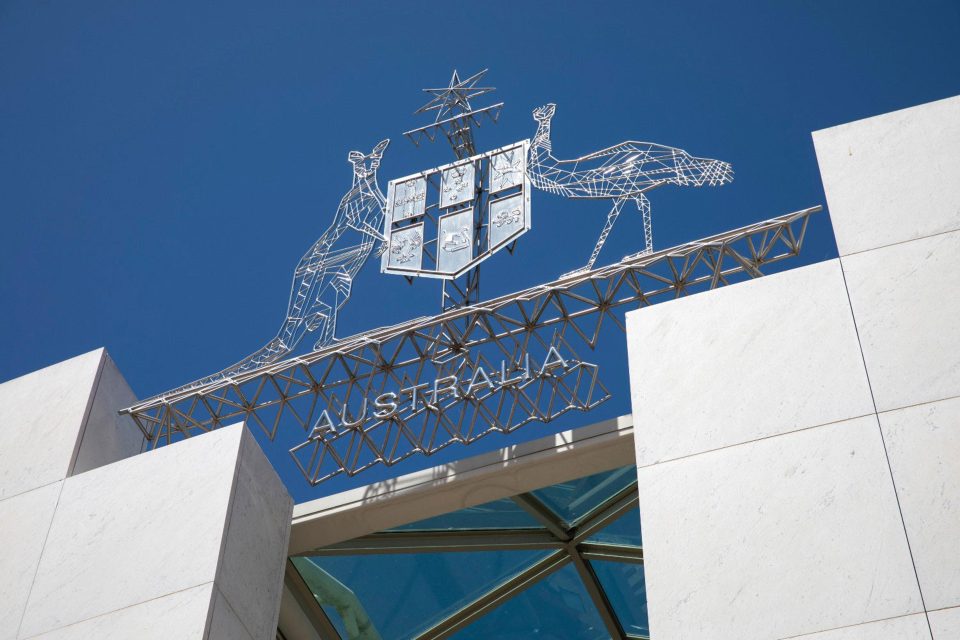
Australia’s prime minister is preparing a major speech on artificial intelligence as negotiations over a legal framework remain deadlocked. On one side, big AI players are pledging massive investments and pushing for copyright relaxations; on the other, artists, unions and parts of the government reject any automatic exemption. At stake: jobs, data‑centre energy use and national digital sovereignty.
Political context
The government is trying to reconcile economic competitiveness with social acceptability. Promises of foreign investment sit alongside public concern about the energy consumption of data centres and the risk of job displacement. The prime minister’s speech is expected to set out clear principles for AI use and reiterate that companies must earn their social licence to operate.
The core standoff: copyright and a creators’ fund
Tech firms are proposing a fund to compensate creators in return for a copyright exemption that would allow them to train models locally. Artists have rejected that approach, and several ministers favour bilateral licensing agreements between platforms and rights holders. The central question is whether the law should be changed to facilitate model training or whether the negotiated licensing model should be reinforced.
Economic impact and investment
Offers of investment totalling tens of billions have been floated to position Australia as a model‑training hub. Those sums represent opportunities for growth, infrastructure build‑out and development of local AI capabilities. They also raise concerns about dependence on large foreign groups and the need for contractual conditions to ensure economic spillovers and appropriate controls.
Employment, regulation and worker protections
Current analyses suggest early but limited impacts of AI on employment. The most exposed sectors are seeing slower job growth, which fuels calls for protections for workers. Business groups warn against overly burdensome regulation, while unions demand a stronger role in workplace technology‑integration decisions.
Data centres, energy and local acceptability
The expansion of data centres is encountering growing opposition from populist parties and communities worried about their energy footprint. Environmental considerations have become central to debates over digital development and weigh heavily on the acceptability of AI investments.
Policy options and risks
Policymakers face several paths: preserve the status quo and encourage private agreements; create a centralized compensation mechanism; or legislate strict limits on access to works for model training. Each option carries risks—investment could be stalled, the creative community might reject proposals, or national competitiveness could be weakened.
Looking ahead
The coming decision will determine whether Australia can attract capital without sacrificing creators’ rights or worker security. The challenge is to craft a proportionate, transparent framework that builds local AI capability while addressing environmental and social concerns. The prime minister’s speech could clarify strategic direction, but the outcome will ultimately depend on the ongoing negotiations.
