

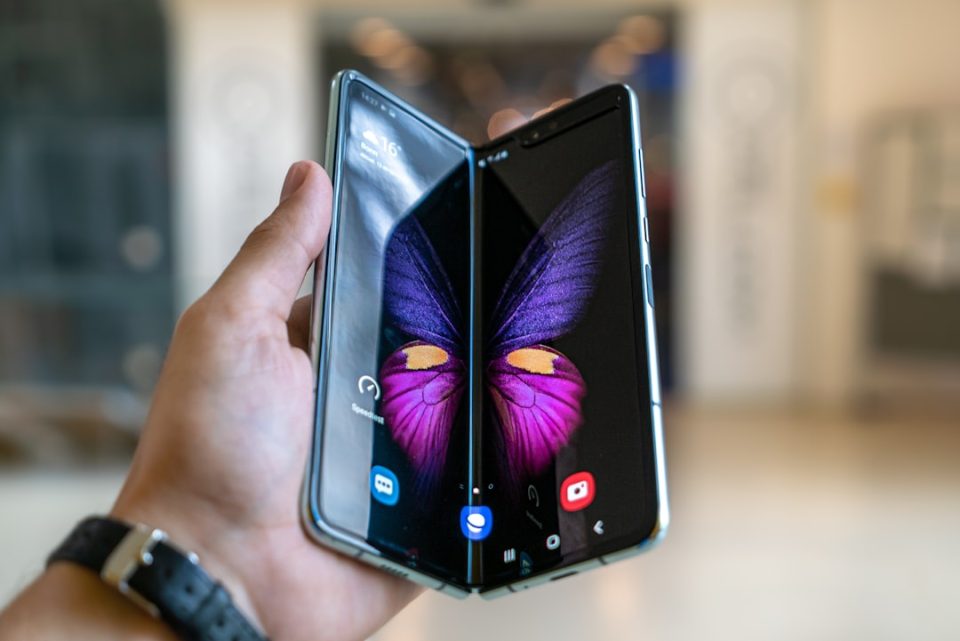
The Galaxy Z Fold 8 lineup pits two “book” foldables against each other, each tuned to a different use case: the Fold 8 Ultra follows the classic large‑format smartphone formula, while the Galaxy Z Fold 8 prioritizes a wider, more adaptable workspace. The choice isn’t just about specs — it comes down to how you plan to use the device every day.
Two design and display approaches
The Fold 8 Ultra takes a traditional approach: a narrow 21:9 external display that unfolds into an almost square internal panel, optimized for content consumption and productivity in a large‑smartphone form factor. By contrast, the Galaxy Z Fold 8 offers a compact 5.5‑inch external screen with a 16:10 ratio for easier one‑handed use, and opens to a wider 4:3 internal display. That wider interior can be used in portrait orientation to create a taller workspace, providing flexible layouts for reading, multitasking, and video.
Photo and video: Ultra for versatility, Fold 8 for simplicity
The two models diverge notably on camera hardware. The Fold 8 Ultra carries a more ambitious setup: a 50 MP ultra‑wide, a 200 MP main sensor, and a 10 MP 3x telephoto. The Galaxy Z Fold 8 keeps the 50 MP ultra‑wide but pairs it with a 50 MP main sensor and omits a dedicated telephoto, relying on digital zoom instead.
On the feature side, the Fold 8 Ultra has the edge with Flex Mode (which lets you position the device at variable angles for stable hands‑free shooting) and support for the APV codec, which enables higher bitrate video capture and better information retention during editing. The Fold 8 still benefits from large previews across both displays for framing shots, but its hinge isn’t designed to remain stable at multiple angles and it lacks the same level of software integration for Flex Mode.
Performance and battery life: closely matched
Technically, the differences are minimal. Both phones run the Snapdragon 8 Elite Gen 5 for Galaxy and are available with up to 16 GB of RAM and 1 TB of storage. Battery capacity differs slightly (4,800 mAh for the Fold 8, 5,000 mAh for the Ultra); however, the Ultra must power larger displays, so real‑world endurance can end up comparable. Both support 45 W wired charging, 20 W wireless charging, and use silicone‑carbon batteries.
Multitasking: format changes the experience
The Galaxy Z Fold 8 leverages its wider internal display for more natural multitasking: it comfortably displays three apps side‑by‑side with broader, more usable windows. The Fold 8 Ultra also supports three simultaneous apps, but its display proportions produce narrower app windows, making side‑by‑side workflows feel slightly tighter compared with the Fold 8’s more open workspace.
Bottom line: choose based on how you work
If you want maximum camera flexibility and a device tuned for advanced video workflows and hands‑free shooting, the Fold 8 Ultra is the more versatile choice. If you prioritize a more comfortable one‑hand outer display and a wider inner workspace for reading and multitasking, the Galaxy Z Fold 8 is the better fit. The decision ultimately hinges less on headline specs and more on which display format matches your daily habits.
