

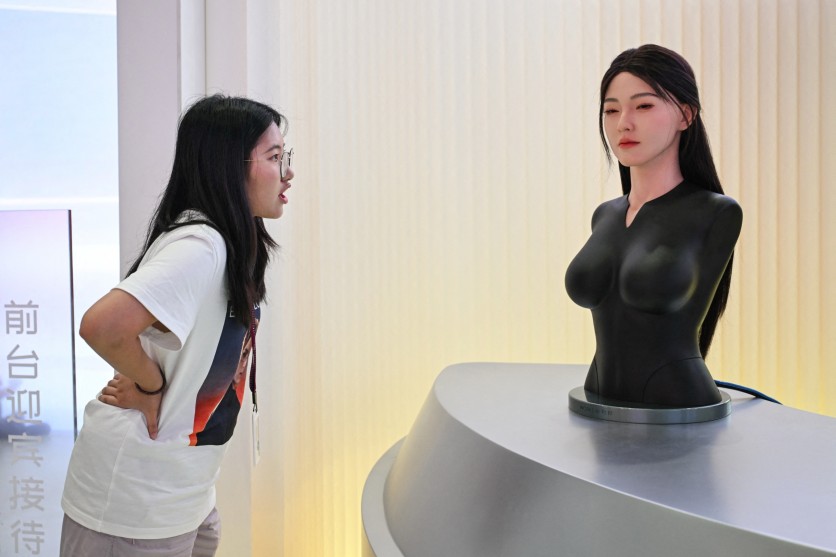
First Chinese buyers are beginning to welcome UBTech humanoids into their homes. Song, a 39‑year‑old investor in Beijing, spent 159,800 yuan (about $23,680) on the female version of the U1 Pro. Shenzhen‑based UBTech says it had recorded 13,361 orders as of June 30, with deliveries scheduled to start on September 16. The U1 series, marketed around emotional companionship, spans Lite to Ultra models and is priced between 119,800 and 990,000 yuan.
An early buyer captures the enthusiasm
For Song, the purchase wasn’t about replacing household chores. “The happiest part is often the anticipation,” he told reporters about his U1 Pro order. His case typifies early adopters: consumers willing to pay a premium to access nascent technology and to experience a personal humanoid firsthand.
UBTech humanoids: lineup, pricing, and promises
UBTech offers three variants in the U1 lineup—Lite, Pro and Ultra—ranging from compact companion units to full‑size humanoids. Prices start at 119,800 yuan for the entry model and climb to 990,000 yuan for the top‑end version. The company positions these robots primarily as companions, highlighting facial expressions, voice interaction and AI‑driven conversation as core capabilities.
From the factory floor to the living room: a technology leap
For decades, humanoids have mostly operated in industrial, controlled environments. UBTech’s push to place humanoids in Chinese homes presents a different challenge: navigating unpredictable spaces, engaging naturally with untrained humans, and delivering genuine emotional or practical value in daily life.
What the initial sales suggest
The preorder figure—13,361 units announced within weeks of opening sales—signals palpable interest, but it says little about real‑world usage once the robots reach buyers’ homes. UBTech has slated first deliveries for September 16; user feedback at that stage will be decisive in judging whether these machines secure a lasting place in living rooms or remain expensive curiosities.
Despite marketing claims, household adoption will hinge on the robots’ ability to handle cluttered environments, sustain credible interactions and justify prices that are far above those of typical connected devices. The first homes to receive U1 units will soon provide the early evidence needed to assess the commercial viability of UBTech’s ambition.
