

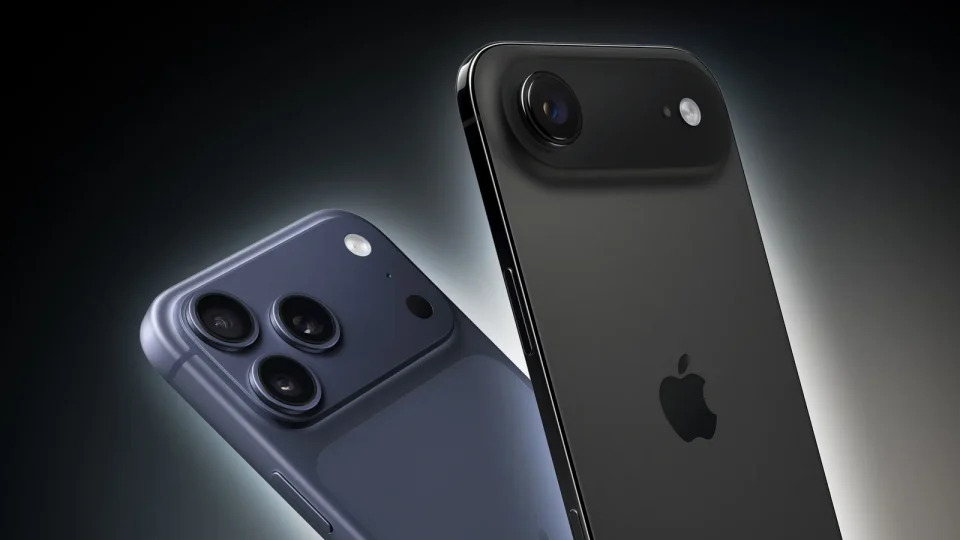
Apple captured 65% of the global premium smartphone market in the first half of 2026, as the wider premium segment’s share of overall smartphone sales climbed to a record 29%, Counterpoint Research’s Handset Model Sales Tracker shows.
The tracker defines premium devices as smartphones with a wholesale average selling price of $600 or more. Apple’s premium-segment revenue grew 9% year‑over‑year in the first half of 2026, a rise Counterpoint attributed to strong sales of the iPhone 17 lineup, particularly the base model.
Even with that growth, Apple’s premium share has fallen from 74% in the first half of 2022. Counterpoint attributes the decline to intensifying competition in China—the world’s largest premium smartphone market—where Huawei, Xiaomi, OPPO and vivo have sharpened their flagship offerings, drawing more Chinese consumers to domestic premium brands.
Premium smartphone market dynamics
Across the broader premium segment, unit sales grew 5% year‑over‑year in the first half of 2026, and the segment’s overall market share rose from 25% in the first half of 2025 and 20% in the first half of 2022. Counterpoint says these latest gains stem largely from rising memory and component costs, which have hit low‑ and mid‑tier phones harder than flagship models.
Premium brands, including Apple, were better placed to absorb higher costs through wider margins and fewer promotions, helping sustain demand as the broader market became more challenging. By contrast, the share gains between the first half of 2022 and the first half of 2025 were driven mainly by a broader premiumization trend as consumers traded up to higher‑end devices.
Counterpoint also noted that the narrowing price gap between mid‑tier and premium phones is accelerating the shift: “As mid‑segment Android smartphone prices rise, the price gap with premium devices, especially older or discounted flagship models, is narrowing. This trend makes flagship smartphones a better upgrade option for consumers. To support this shift, OEMs are expanding financing, trade‑in and buyback programs to improve affordability. Samsung has also expanded its Galaxy Forever program to several markets to make flagship devices more accessible.”
Rival gains and regional shifts
Samsung remains the only other brand in Apple’s league, holding 19% of the premium segment after 3% year‑over‑year growth despite a later launch for the Galaxy S26 series. Behind the two leaders, Chinese brands posted the sharpest growth off a much smaller base: OPPO grew 69% on the strength of its Find X9 series, while vivo grew 20% as the X300 series outperformed its predecessor.
Counterpoint expects Apple to maintain its lead alongside Samsung, citing Apple’s strength in developed markets, its integrated ecosystem and its brand value, even as Huawei and Xiaomi are seen as well positioned to continue gaining share in China. Counterpoint added that premiumization “will be the key strategy in the smartphone industry as the focus shifts from shipment volumes to value and profit maximization.”
