

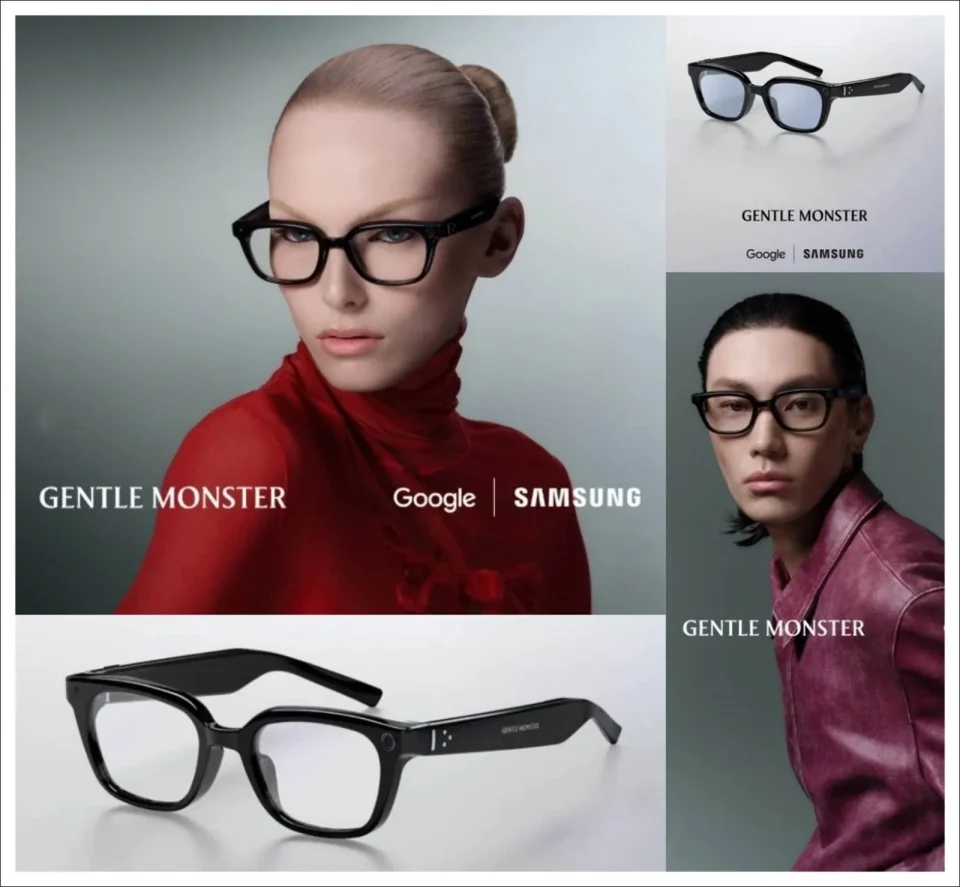
Samsung is preparing multiple smartglasses products and has framed privacy as a central feature, but legal and practical concerns mean those protections may not be enough.
The company has collaborated with Qualcomm, Google, Gentle Monster and Warby Parker on intelligent eyewear and is also developing Galaxy Glasses. Samsung says its products will include an external LED to indicate recording, wear detection that prevents recording when the user is not wearing the glasses, and automatic disabling of recording if the external LED indicator is blocked.
Samsung smartglasses and the privacy challenge
Privacy advocates and lawmakers remain unconvinced. The front LED can be difficult to recognize, particularly from a distance, and on other devices people have already identified workarounds that obstruct an indicator without preventing recording. The source material notes it is reasonable to expect similar workarounds will be attempted on Samsung’s products.
Lawmakers are reacting. California Senate Bill SB 1130 seeks to make it illegal to use a wearable device to capture sound or video of any person in a place of business where that person has a reasonable expectation of privacy. The bill also aims to make it illegal to manufacture or sell products that disable the indicator, and proposes fines of up to $2,500 for violators. The bill is progressing through the legislature and, once passed, will become law.
Those legal moves matter for Samsung because the regulatory environment is tightening before the company has shipped any units. The article notes that, if SB 1130 becomes law, other states are likely to follow California’s lead, and California’s tech and privacy rules have often served as templates elsewhere.
The user experience could be affected even without enforcement actions. The reporting gives the example of a conscientious user relying on live AI features in public — for instance, to help with a diner menu — where nearby people might interpret the active camera and LED as covert recording and confront the user, creating awkward situations.
The piece argues that stopping innovation is not the answer and that technology should help address these privacy issues. However, it also states there is no industry-wide standard being deliberated, and with that gap the government is stepping in to set rules through legislation. The article emphasizes that Samsung is not Meta and has not spent years selling glasses linked to documented misuse, but concludes that Samsung’s initial privacy messaging, while appropriate, will likely be insufficient to address public concern. Whether SB 1130 is enacted before or after Samsung’s launch, the source says the direction of travel is clear.
