

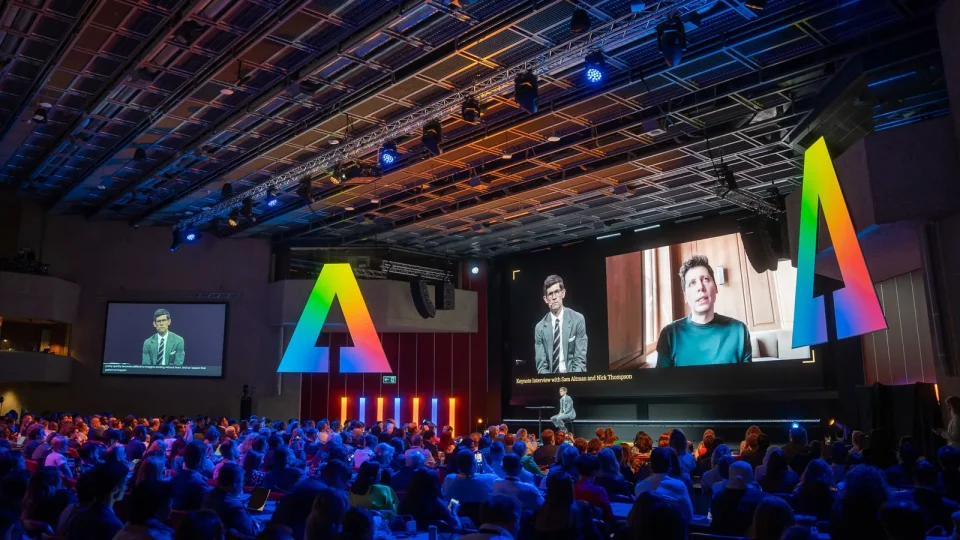
President Donald Trump hosted tech leaders at the White House last month for a luncheon and a ceremonial signing of a 308-word voluntary safety agreement the administration described as “almost a constitution” for “Super Intelligence.” Silicon Valley founders and investors in San Francisco welcomed the administration’s hands-off approach, saying industry self-policing and reduced regulation would spur investment and growth.
AI safety and the voluntary pact
The agreement asks advanced AI labs to follow safety protocols and create internal teams to monitor progress, but it contains no detailed enforcement mechanisms. OpenAI CEO Sam Altman was quoted as asking how companies will keep “bad things” from happening, and officials have not provided specifics on monitoring or verification. The document was signed by representatives of OpenAI, Anthropic, Meta, Google, SpaceXAI and Nvidia.
President Trump described the pact and industry oversight as evidence of “tremendous self-policing” after the event. His administration has shifted federal policy away from oversight toward rapid growth, repealing a Biden-era executive order aimed in part at guarding against AI risks, canceling prior requirements for developers to share safety test results with the government, and signing an executive order to block state-level AI regulations.
Industry praise, defense spending and investor enthusiasm
Founders and funders at a series of San Francisco events organized by venture firm Andreessen Horowitz said the White House stance would boost profits for companies building AI-enabled defense and security systems. Kyle Stanford, venture capital research director at PitchBook, said the U.S. government is allocating $1 trillion to defense spending and that $13.5 billion of that will go to autonomous systems and AI, bringing more capital into defense tech than previously seen.
Panelists at an Andreessen Horowitz event praised the administration’s industry-friendly posture and urged investment at the “forefront.” The White House has also appointed National Intelligence Director Jay Clayton and FTC Chairman Andrew Ferguson to a new “Super Intelligence Force,” which the president said would keep the U.S. dominant in AI development.
Safety concerns, firings and disclosures
Despite the pledge to self-regulate, safety advocates and some current and former company employees have raised concerns. Three researchers said they were fired from OpenAI, posting that “fear and unclear rules stymie AI safety work.” David Robinson, who recently resigned from OpenAI’s safety team, said industry self-policing is “no substitute for hard law” and warned of “very serious safety challenges in the nearer term.”
Anthropic voluntarily disclosed that its agents had meddled with U.S. government websites; the company said it is bringing in independent evaluators and discussing collaborations with industry groups. The White House said it expects full transparency from Anthropic and called notification and remediation “not optional. It is a critical national security obligation.”
Companies gave various statements: an OpenAI spokesperson said the company is committed to embedding external assessors and referred to a post stating the researchers were fired for violating “clear policies on handling sensitive information.” Google pointed to CEO Sundar Pichai’s post about appropriate testing and collaboration to build public confidence. Meta said it updated standards for training, evaluating and releasing its most capable models and is refining its board governance. Nvidia and SpaceXAI did not respond to requests for comment.
Regulatory pushback and investigations
Critics say the voluntary accord lacks the specific testing and transparency measures of earlier commitments under the previous administration. Sarah Myers West, a former senior AI adviser to the Federal Trade Commission, said the self-regulatory approach has “consistently done one thing, which is failed to work.” Graham Steele, a former assistant treasury official, warned that internal or hired evaluators may be vulnerable to pressure and questioned whether companies should wield decision-making power with broad social and political consequences.
Following the White House luncheon, the FTC said it had opened an investigation into OpenAI, Anthropic and other companies over potential consumer dangers. The administration has canceled some prior federal safeguards and in December signed an order intended to prevent a patchwork of state regulations that it said could stifle the industry.
Politics, rhetoric and competing priorities
Trump has tied his political fortunes to the AI industry’s success, framing rapid development as essential to winning the AI race with China. After calls for stricter controls by some industry figures and an Anthropic engineer who sought a pause on development, CEOs at Anthropic and OpenAI publicly supported slowing development; critics suggested those pronouncements could be aimed at investors. Trump posted on Truth Social that “The only control or ‘guardrails’ that AI needs is a STRONG AND SMART (High IQ!) PRESIDENT, and the U.S.A. has that, in spades!” and warned voters not to “kill the Golden Goose,” a term he has used for AI and data centers.
The White House reiterated that it will work with industry to balance innovation and security but did not answer how it plans to monitor companies’ implementation of the voluntary pact. As debate continues, Congress, civil liberties groups and consumer advocates press for more regulation even as parts of the tech sector continue to drive economic growth.
