

T-Mobile retired its 2G GSM network on Monday, August 3, meaning all three major U.S. carriers have now ended 2G service.
T-Mobile had kept the 2G network active for remaining legacy customers. Some visitors to the United States relying on international roaming carrier agreements for voice calling also needed 2G, and T-Mobile worked with carriers globally to prepare for the end of its 2G network.
Impact of the 2G shutdown
Customers who were still on T-Mobile’s 2G network were warned well ahead of time and given time to transition. Smartphones, alarm panels, payment terminals, and other IoT accessories that used 2G will no longer function.
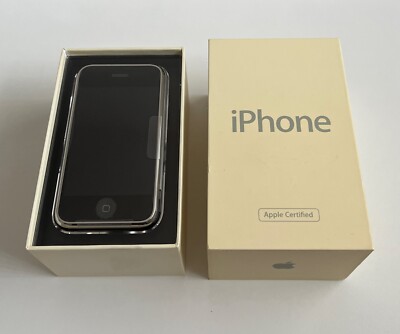
AT&T ended support for 2G in 2017, and Verizon stopped supporting 2G in 2020. With no U.S. carrier supporting 2G, legacy devices such as the original iPhone will not be able to connect to any cellular network. The iPhone technically lost cellular support in 2017 when AT&T sunset its 2G network, and now the last workaround is gone.
All three carriers also ended support for 3G back in 2022, and have abandoned early LTE iPhones without VoLTE support.
