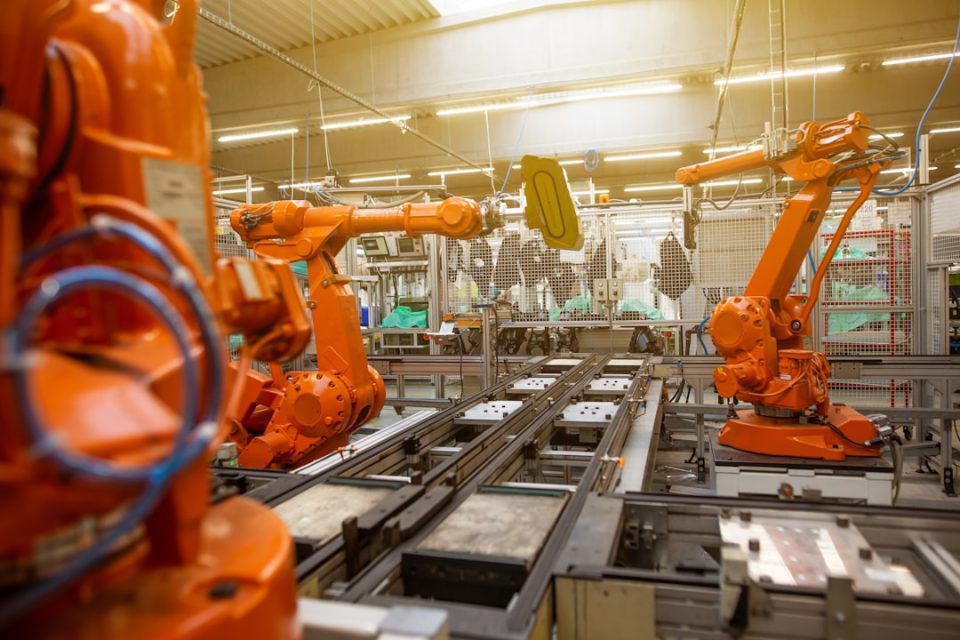
China’s industrial sectors are rapidly adopting artificial intelligence to enhance efficiency, backed by government support. However, experts caution that sectors like healthcare and aerospace may pose too high a risk for transitioning to autonomous agents. AI, praised as the catalyst of a “fourth industrial revolution,” is evolving from chatbots to agentic AI—systems capable of independently executing tasks within workflows. Upper-layer software, including consumer apps and internal management systems, is expected to be replaced by these agents, which are designed to understand business logic and carry out workflows. In the future, 90% of an AI agent’s value will derive from industry expertise, as the focus of industrial AI shifts from software development to embedded industry knowledge. AI agents have the potential to drastically reduce the time required for manual supply chain orders from hours to minutes through automated data analysis, planning, risk recognition, and decision-making. This transformation is driven by Beijing’s “AI Plus” strategy, which sets aggressive adoption targets across manufacturing, agriculture, and services, aiming for over 70% by 2027 and more than 90% by 2030. Despite these ambitions, China’s industrial software, particularly in advanced manufacturing, remains dependent on foreign technology.
Are AI agents trustworthy in high-risk industrial sectors?