

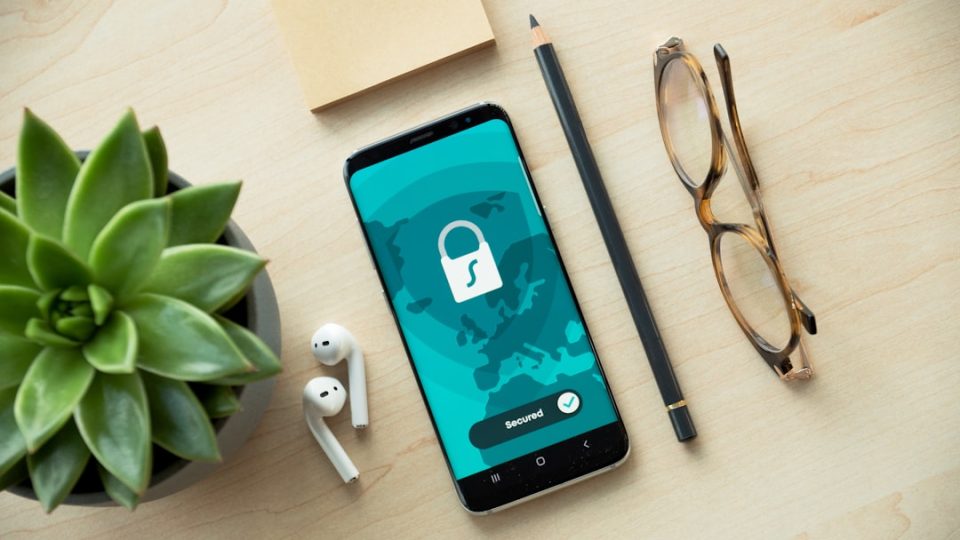
Mobile usage has shifted: more and more people now treat their smartphone as their primary computing device. Concentrating personal and professional data on a single compact device creates real security challenges when protections are inadequate.
Smartphones at the center of digital life
More than half of users say their phone is now their primary terminal for work, banking, shopping and communication. This shift increases the value of these devices to cybercriminals: a compromised smartphone can provide immediate access to large quantities of sensitive data.
Sensitive data and protection gaps
Photos, videos, work documents, banking details and passwords are commonly stored on phones. Many devices lack full-disk/device encryption, strong passcodes, or reliable biometric protections. Outdated operating systems and apps also leave vulnerabilities that malware and phishing campaigns can exploit.
Risky behaviors among younger users
Gen Z, raised on mobile, tends to store a wide range of information — including credentials and passwords — directly on their phones. That apparent convenience increases the attack surface: excessive trust in apps and lax credential management make compromises more likely.
Threats to individuals and organizations
Over half of respondents keep work emails and business data on their smartphones. In BYOD (bring your own device) contexts, a lost or infected phone can expose client data, sensitive documents and internal access, with financial and legal consequences for organizations.
Simple steps to better protect your mobile device
Good habits significantly reduce risk. Key recommendations: use long, unique passwords; enable biometric authentication and two-factor authentication (2FA); turn on device encryption and perform regular backups; keep the OS and apps up to date; install reputable security solutions and only download apps from trusted sources. Stay vigilant against suspicious links and messages, and ensure the ability to remotely wipe a lost device.
In short
Centralizing data on smartphones is a practical reality, but it requires proportionate security measures. Both users and companies must take responsibility — through BYOD policies, risk training and protective tools — to keep these powerful devices working as secure tools rather than major vulnerabilities.
