

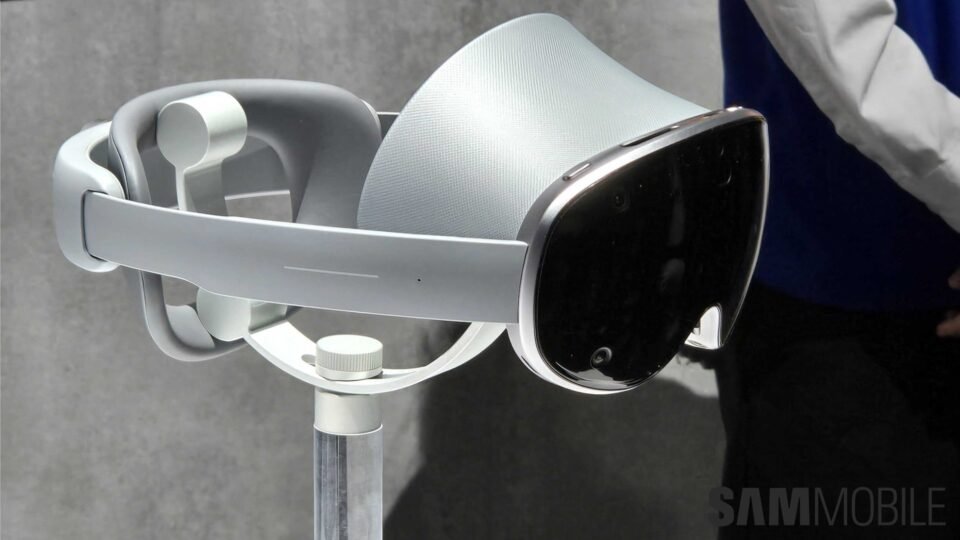
Samsung’s inaugural XR headset, the Galaxy XR, introduces an unexpected feature that sets it apart from its competitors, particularly the Apple Vision Pro. The headset discreetly incorporates a USB Type-C port, cleverly hidden beneath a flap on the right temple, enhancing its versatility. Surprisingly, Samsung has not highlighted this feature in its official product details, which could potentially affect its marketability.
The concealed port allows users to connect a variety of wired accessories, ranging from keyboards and mice to Ethernet cables (with an adapter), HDMI input adapters, USB hubs, portable DACs, webcams utilizing UVC format, and external storage devices like flash drives and SSDs. Given that the Galaxy XR operates on Android, known for its openness and compatibility with numerous accessories, this port significantly expands its functionality.
Users can easily play media directly from a USB drive or stream videos from other devices. There’s potential for connecting video inputs from portable gaming consoles such as the Steam Deck, although this hasn’t been confirmed yet. Further details may emerge as reviews are published.
This hidden port positions the Galaxy XR as a more versatile option compared to many other VR/XR headsets currently available. If effectively marketed, it could serve as Samsung’s strategic advantage in the XR market. In contrast, the Apple Vision Pro necessitates users to register as developers and purchase an additional $300 accessory to gain USB connectivity.
