

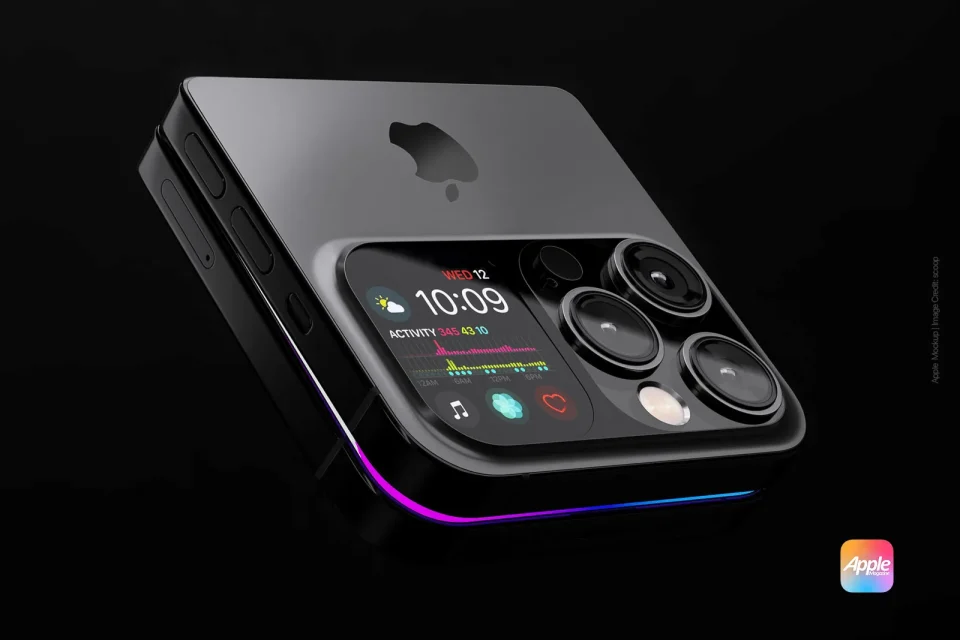
Former Apple CEO Tim Cook played a major role in the development of the foldable iPhone, and some storage configurations could push its price to around $3,000, according to details shared by Mark Gurman.
Apple initially targeted a $1,999 starting price for the foldable iPhone to stay under the “potentially controversial $2,000 barrier,” mirroring the strategy used at the iPhone X launch in 2017. Amid a global memory shortage, the company later discussed pricing the device at $2,199, with certain upgraded storage options approaching $3,000. Apple expected some “sticker shock,” but the perceived willingness of customers to pay roughly $2,000 for storage-upgraded iPhones convinced the company an upscale foldable was worth bringing to market.
Foldable iPhone development and challenges
Around 2020, Cook returned from a trip to Asia “unusually energized” by the rising use of foldable devices from competitors and pushed Apple to accelerate its own efforts. The project had been studied by Apple’s hardware engineering team for years, dating back to well before the first Galaxy Fold in 2019. Early internal debate centered on form factor, including a concept that was essentially an iPad mini that unfolded into a larger tablet; Cook favored a more mainstream foldable iPhone and his level of involvement was described as unusual.
The program began under Dan Riccio, who preceded John Ternus as head of hardware engineering. Apple prioritized four engineering challenges: reducing the visibility of the display crease, improving hinge reliability, creating a new flexible cover glass for the inner display, and developing under-display camera technology.
Design, materials and specifications
Apple settled on a hinge system built from titanium and aluminum and developed a custom cover glass in partnership with Corning. The company considers the foldable’s construction industry-leading within the foldable market and believes it has a software advantage over Android rivals. Reported specifications include a 7.8-inch inner display, a 5.5-inch outer display and a short, wide form factor — designers compared the folded dimensions to a passport and the unfolded dimensions to a Magic Trackpad.
Despite those choices, the foldable iPhone is said to be less durable than conventional iPhone models, and to offer an inferior camera system and shorter battery life. Nonetheless, Apple employees reportedly believe the company will sell every foldable phone it can produce.
Leadership and launch timing
John Ternus, described as a major champion of the device, played a leading role in pushing the project over the finish line; Gurman noted the product’s engineering complexity makes it an ideal showcase for Ternus following his career as Apple’s hardware chief. The foldable iPhone is expected to be announced tomorrow at Apple’s ‘Surprise and shine’ event.
