

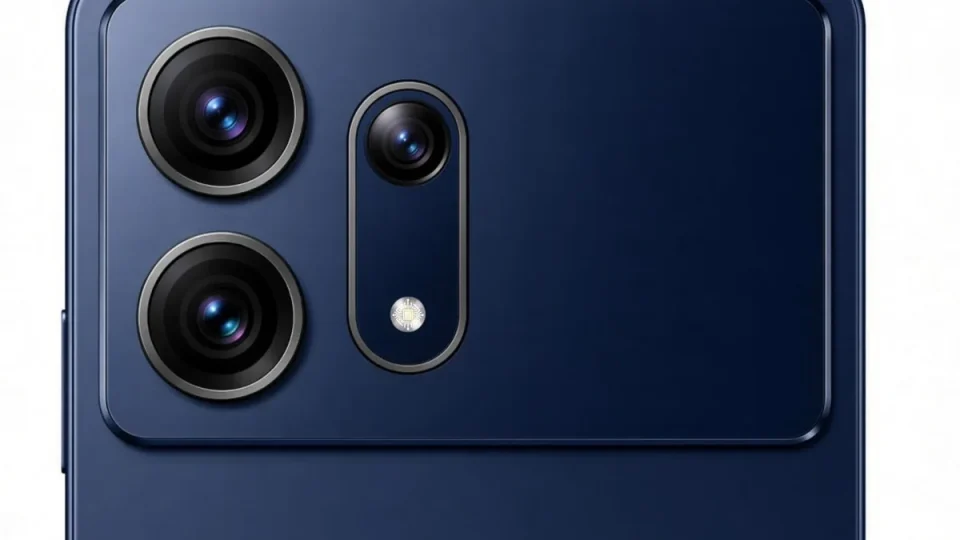
Rumored leaks of the Galaxy S27 Ultra’s redesigned rear camera — widely circulated online — have drawn criticism for looking similar to Apple’s iPhone Pro. But the controversial new layout could enable practical gains such as built‑in magnetic accessories, a reworked imaging system and a more usable flagship if Samsung implements those changes.
Galaxy S27 Ultra and an overdue visual refresh
The Galaxy S Ultra series has kept a broadly consistent design language since the Galaxy S22 Ultra, despite gradual adjustments such as a shift from sharp, squared corners and curved displays to flatter frames and rounded edges. Samsung appears to be moving away from its signature individually mounted rear camera lenses toward a single, raised camera island — a choice that has provoked strong reactions but also reflects a common option manufacturers face when a product needs refreshing: create a wholly original look or adopt ideas that have already proved successful.
Built-in magnetic accessories could be the real gain
What makes the rumored redesign potentially significant is functional rather than purely aesthetic. Consolidating the rear cameras onto one raised platform could free internal space that Samsung might use to integrate a magnetic attachment system into the phone itself. If implemented, the Galaxy S27 Ultra could support magnetic accessories similar to Apple’s MagSafe ecosystem, offering native compatibility with wireless chargers, magnetic wallets, mounts and stands. Until now, Galaxy users have relied on third‑party cases with built‑in magnetic rings of highly variable quality; native support would allow magnetic accessories to work without a protective case and could deliver a more seamless everyday experience.
Galaxy S27 Ultra camera overhaul: what to expect
The redesigned camera island could also enable a broader restructuring of the Galaxy S27 Ultra’s imaging system. In recent years Samsung’s cameras have not consistently led across all shooting scenarios, particularly in low light and when subjects are in motion. Observers point to Samsung’s image‑processing tendencies — often favoring lower ISO settings and slower shutter speeds — which can produce strong results for stationary scenes but perform less well for moving subjects. The company is also rumored to be considering removing its aging 3x telephoto camera; enthusiasts hope Samsung might introduce a high‑resolution periscope module with a shorter focal length to deliver greater zoom flexibility while maintaining image quality, an approach already pursued by several premium manufacturers including Oppo, Vivo, Xiaomi, Huawei and Honor.
Appearance versus practicality
Even if the Galaxy S27 Ultra’s new look initially displeases some users, the redesign could bring practical benefits that matter more than first impressions. The final verdict will depend on the features Samsung ships, real‑world performance and pricing. For now, the proposed camera improvements, built‑in magnetic accessory compatibility and potential photography upgrades remain speculative and hinge on Samsung’s final hardware decisions.
Hai Phong
