

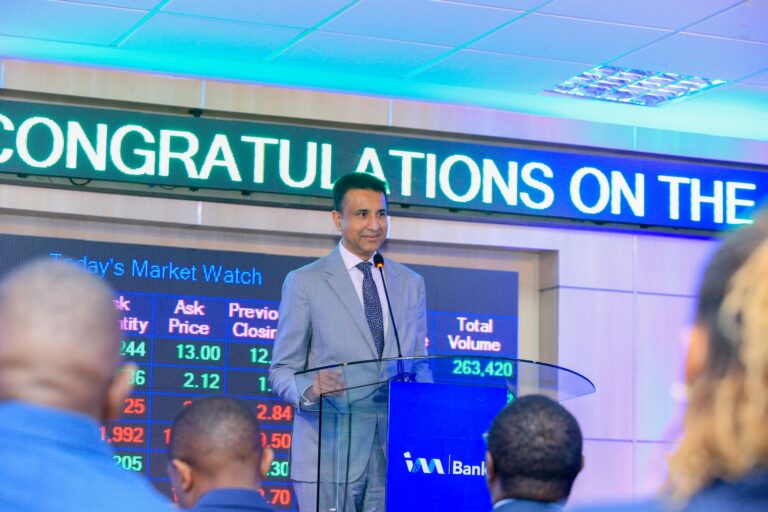
I&M Bank has launched its first medium-term note on the Nairobi Securities Exchange, marking a significant step in corporate fundraising through Kenya’s bond market. The Kenyan shilling-denominated note was moved to the exchange’s fixed income segment following a successful public sale that attracted investor applications totaling Sh23.2 billion, surpassing the initial Sh10 billion target.
Now available for secondary market trading, the note allows transactions at minimum bids of Sh50,000, providing investors with an exit strategy that was absent during the primary offer. This listing introduces market-based pricing as trading volumes increase.
The resurgence of corporate issuers in debt markets has been notable over the past year, with banks, telecommunications, and housing finance sectors seeking long-term funding. This trend has broadened the range of tradable securities beyond government bonds, appealing to pension funds, asset managers, and high-net-worth individuals seeking stable yields.
I&M’s medium-term note is part of its iMara 3.0 strategy, aiming to expand its business lending, SME financing, and retail operations, which require steady long-term funding.
The listing coincides with renewed institutional confidence in Kenya’s capital markets after a period of slow corporate bond issuance. Recent activities by companies like Safaricom, East African Breweries, and Kenya Mortgage Refinancing Company have revitalized the exchange’s debt segment.
During the listing ceremony, I&M Group Executive Director Sarit Shah highlighted that public market admission enhances tradability and investor participation. Exchange-based trading enables investors to react swiftly to interest rate changes and liquidity conditions.
NSE CEO Frank Mwiti noted that the market continues to attract established issuers seeking alternatives to traditional financing. This deeper corporate debt involvement is gradually bolstering long-term capital formation and diversifying local market products.
Attention now turns to the trading performance and whether future tranches will sustain similar investor interest. Secondary market activity will provide early insights into investor pricing of corporate risk amid evolving monetary conditions.
