

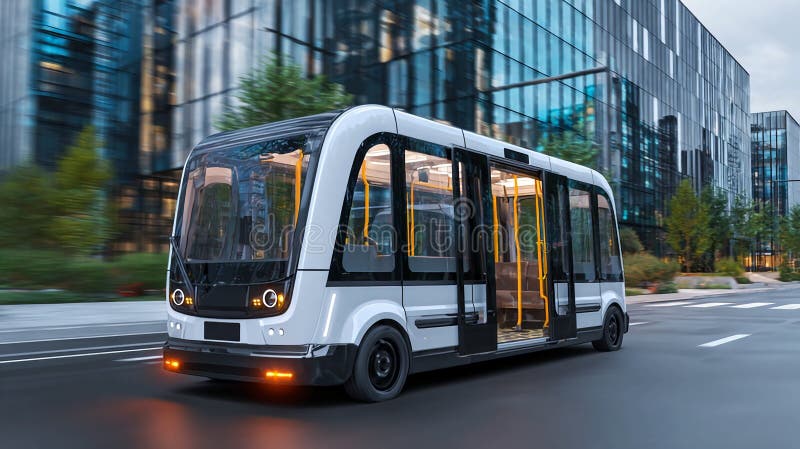
Indian cities are undergoing a significant shift in public transportation with the widespread adoption of electric buses, marking a major move towards sustainable mobility. Over the past decade, these e-buses have been introduced as cleaner, quieter, and more cost-effective options for millions of commuters. National initiatives like FAME-II and PM-eBus Sewa have played a pivotal role in this transition by facilitating service-based contracts and expanding charging infrastructure.
The shift to service-based contracts under FAME-II, backed by a ₹10,000 crore investment, has been crucial. Instead of one-time purchases, state transport undertakings now pay operators per kilometre, making the operations financially viable and competitive with traditional fossil fuel systems. This model allows manufacturers to offer comprehensive solutions, including charging infrastructure and after-sales support, reducing the burden on transport authorities. The PM-eBus Sewa scheme further extends this model to tier-2 and tier-3 cities, aiming to deploy 10,000 e-buses through public-private partnerships.
A major breakthrough came with the 2021 Grand Challenge tender, which combined demand from multiple cities to secure record-low service prices, comparable to diesel costs. This shift from CAPEX to OPEX has highlighted the Total Cost of Ownership advantage of electric vehicles over fossil fuels. Studies indicate that operating costs for e-buses can be significantly lower than those for diesel and CNG vehicles, even without subsidies, suggesting a sustainable path forward for locally manufactured e-buses.
The environmental benefits are also noteworthy, with e-buses being about 70% more energy-efficient than diesel counterparts and reducing greenhouse gas emissions by nearly 19%. The immediate impact includes improved urban air quality, as e-buses eliminate harmful pollutants like nitrogen oxides and particulate matter from city streets.
The transition is expanding beyond major cities, with places like Delhi, Mumbai, and Bengaluru already operating hundreds of e-buses. Smaller towns are also joining the movement under national schemes, supported by domestic manufacturing and Make in India policies. Despite challenges such as high upfront costs and the need for extensive charging infrastructure, the focus on aggregated demand and OPEX-based contracts is proving effective.
To continue this momentum, India aims to scale up to several tens of thousands of e-buses, requiring incremental fleet purchases, stronger collaboration between utilities and transport authorities, smart charging solutions, and workforce training. E-buses are rapidly becoming integral to India’s public transport, offering economic and environmental benefits that are reshaping urban mobility.
