

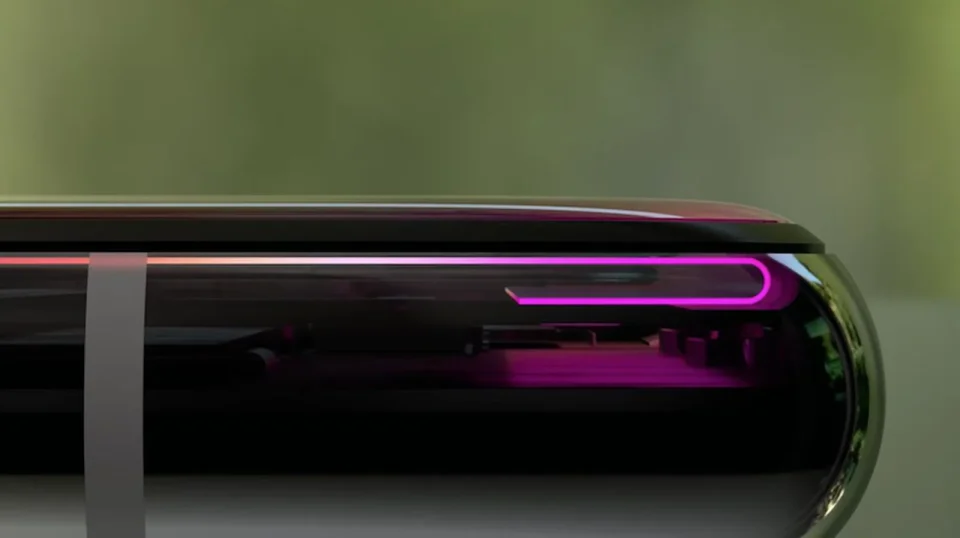
A Chinese leaker known as Fixed Focus Digital said Apple could offer a limited-edition iPhone 20 Pro model that incorporates ceramic components.
The leaker posted on Weibo that they had obtained ceramic components intended for the 20th‑anniversary iPhone, expected to launch next year, and added that production capacity for those parts is planned to be very low, suggesting a limited‑edition run. In a follow‑up comment the leaker said the project would enter mass production only if it passes engineering validation testing (EVT) and joked that the scarcity could make the parts appreciate in value.
The leaker did not specify which components they had seen, leaving it unclear whether Apple is considering a ceramic rear panel, a larger section of the enclosure, or a smaller exterior part.
iPhone 20 Pro ceramic details
Apple already uses ceramic materials on other products: the iPhone Air features Ceramic Shield 2 on the front and Ceramic Shield on the back, and Fixed Focus Digital has previously said next year’s iPhone 20 Pro models will use the same glass design but with more pronounced curves along all four sides of a titanium frame. Ceramic Shield incorporates tiny ceramic crystals within a glass matrix, which preserves transparency while improving durability. The leaker’s latest wording suggests ceramic on the anniversary model could be applied in a more visually prominent way than those existing uses.
Context and launch timing
Apple offers ceramic as a premium casing material on the Apple Watch Series 12, which comes in Pearl White and Night Blue ceramic alongside aluminum and titanium options, and the company previously sold ceramic Apple Watch Edition models, including a white ceramic version of the Series 5. The 20th‑anniversary iPhone models are expected to launch in the fall of 2027 with a radical glass‑centric redesign featuring a quad‑curved display. Leakers have variously referred to the device as the “iPhone 20 Pro,” but Apple’s naming plans remain unclear; the company could skip the iPhone 19 name to emphasize the anniversary, similar to how it introduced the iPhone X in 2017.
