

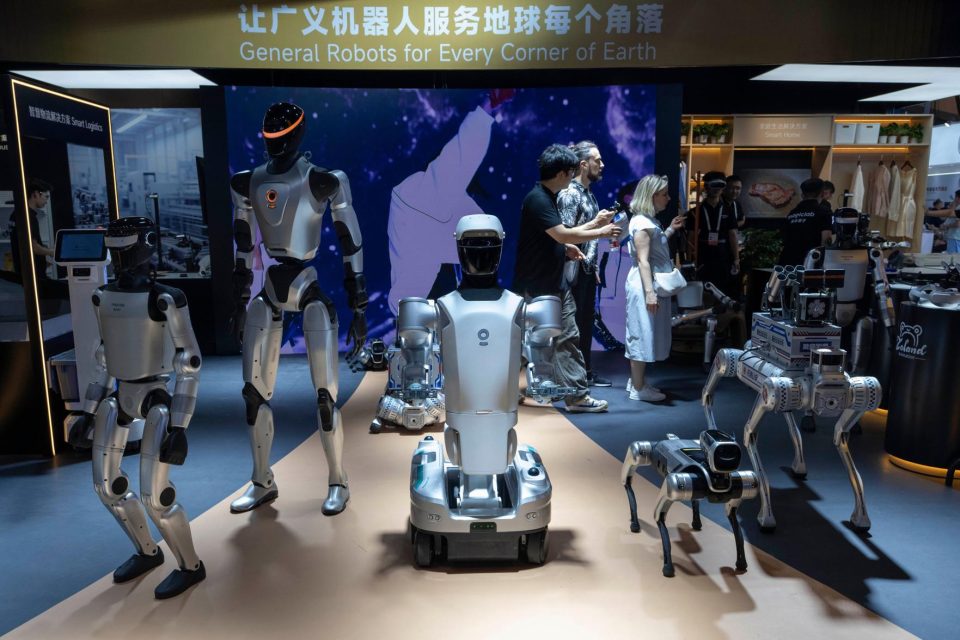
HONG KONG — The U.S. Federal Communications Commission (FCC) announced on Tuesday that it will bar the import of foreign-made humanoid robots, a move the agency frames as aimed at China and justified by national-security concerns.
Why the FCC says the ban is necessary
The FCC argues that certain humanoid robots pose national-security risks, asserting that their importation could enable uses or access contrary to U.S. security interests. While the agency’s primary remit covers communications and related equipment, it is invoking that authority to restrict entry into the U.S. market of devices it deems problematic.
A measure aimed at China
The FCC’s statement explicitly identifies China as the target of the decision. The announcement refers to robots “manufactured abroad,” signaling the origin of the covered devices, but it does not list specific brands or models in the public release.
Scope and likely repercussions
The measure addresses importation only; the agency did not provide details on enforcement mechanisms, exemptions, timelines or penalties. If implemented broadly, the ban could limit foreign manufacturers’ access to the U.S. market and force companies to reassess supply chains, sourcing and commercial strategies. The FCC’s statement does not, however, describe how such impacts would be managed or mitigated.
A further escalation in tech tensions
By singling out foreign-made products and naming China, the decision fits into a broader pattern of technology-related security measures between the U.S. and China. The FCC’s justification centers on national-security risk; the agency did not supply technical analyses or concrete examples in Tuesday’s announcement.
What’s next
The FCC has stated its position but provided no detailed timetable or information on appeals or administrative processes. Industry observers will need to wait for follow-up guidance or rulemaking to understand the concrete implications for manufacturers, suppliers and commercial users.
