

The University of Mary Washington held its first “Reimagining the Liberal Arts in the Age of AI” conference in July, drawing educators, instructional designers, librarians, technologists and administrators from colleges and universities across the East Coast and beyond. Organized by Associate Professor of Education Victoria Russell, director of UMW’s Center for Teaching, and Professor of History and American Studies Krystyn Moon, director of UMW’s Humanities Center, the two-day event built on a 2024 National Endowment for the Humanities grant administered through the Council of Public Liberal Arts Colleges (COPLAC).
Liberal arts and AI: building curricula and resources
The 2024 NEH grant supported collaborative curricular design by humanities faculty at five public liberal arts institutions. That work produced open-access AI teaching materials—syllabus modules, readings, activities and assignments—available to all COPLAC institutions, and the conference expanded those conversations. Russell said the initiative was meant to let “the liberal arts shine,” noting the practical work happening in classrooms as faculty respond to employers’ needs and help students navigate next steps.
Attendance was capped at a preset 100-person limit. Participants engaged in nearly 20 breakout sessions and three keynote addresses, with sessions held across Seacobeck Hall and the Cedric Rucker University Center.
Conference themes, keynotes and classroom practice
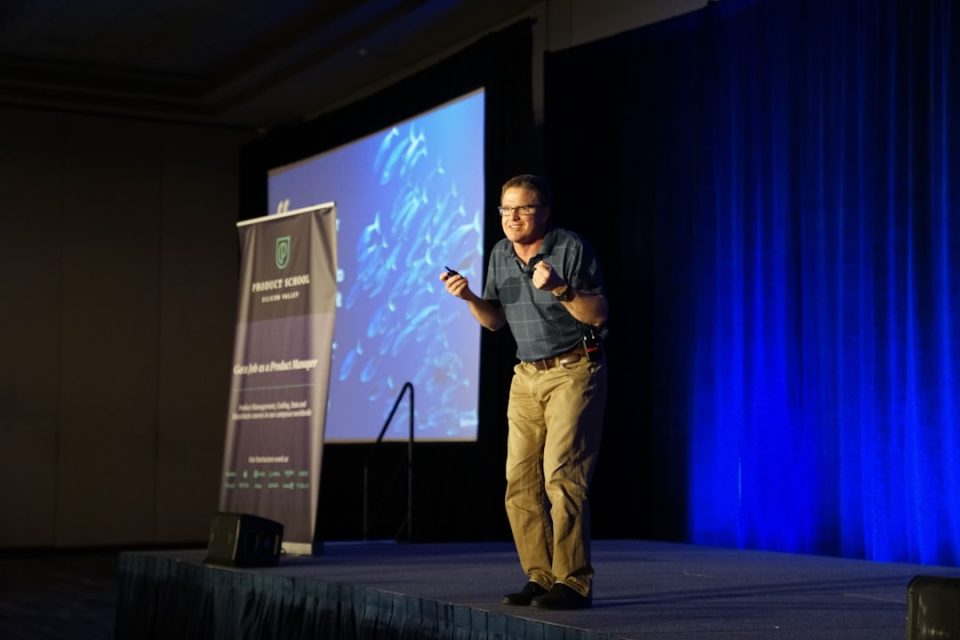
Northeastern University Senior Associate Director of AI in Teaching and Learning Lance Eaton delivered the opening keynote, titled “From Awakening to Building: Liberal Arts ‘Next Moves’ for Teaching and Learning in the Age of AI.” Eaton used a construction metaphor to argue that AI can be integrated into classrooms incrementally: “I think we can find ways of building it into our classrooms, bit by bit, piece by piece.” He added that when cranes arrived they did not simply speed the building of existing structures but “made entirely new buildings possible,” requiring “new foundations, new structural systems, new engineering principles and new ways of thinking about the work itself.”
Other keynote speakers included Appalachian studies scholar Theresa L. Burris, who addressed ways the liberal arts can inspire authenticity, and University of Tulsa Professor of Psychology David Rettinger, a nationally recognized expert on cheating, who outlined a positive approach to academic integrity in the age of AI.
Presenters showcased practical classroom experiments and tools. Professor of Communication Anand Rao, director of UMW’s newly launched Center for AI and the Liberal Arts, spoke about the liberal arts’ role in the ethical development of AI. The center’s assistant director, Senior Lecturer of Philosophy Michael Reno, and Moon discussed “vibe-coding,” an approach using AI-based software to produce plain-language code; Reno demonstrated an interface he created with the Gemini API that lets students upload audio files and receive feedback on speeches. Moon described incorporating vibe-coding into an assignment for a digital recipe project in her American Foodways course and said, “It’s all about problem solving around AI,” adding that she wanted students to recognize that “literacy matters and that there are some human things that they can do that AI can’t do.”
Other sessions included a presentation by Connecticut College Librarian and Vice President of Information Technology Matt Gardzina titled “Flourishing Through Friction: How Varied Faculty AI Approaches Cultivate Student Adaptability and Agency,” and a breakout on persuasion and new technologies led by Visiting Assistant Professor Kaitlyn Haynal. UMW presenters also included Professors of Computer Science Karen Anewalt and Jennifer Polack, Associate Professor of English Brenta Blevins, and Professor of French Scott Powers. Harold F. Wiley Generative AI Teaching and Learning fellow Susan Purrington conducted one of the nearly 20 sessions.
Russell led a session describing how UMW used the COPLAC grant to develop curricula and infuse humanist perspectives into responses to AI; the session was titled “Building Sandboxes in a Tornado,” a metaphor for fostering community and dialogue amid rapid change.
The conference aimed to place the liberal arts at the center of discussions about AI in higher education by sharing resources, classroom practices and ethical approaches among faculty and institutions.
