

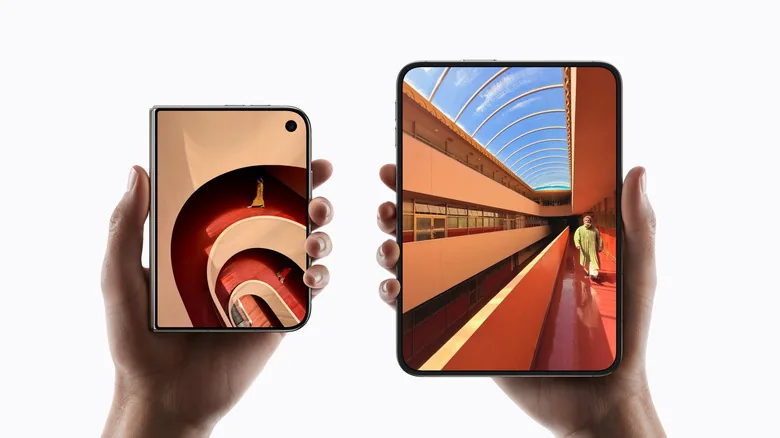
A side-by-side comparison posted on social media shows the Samsung Galaxy Z Fold 8 outperforms the iPhone Duo on anti-reflection, drawing a cheeky reply from Samsung Mobile US and renewed criticism of Apple’s Nano Texture finish.
The comparison began with a TechDroider post that placed the two devices under the same light. The Fold 8 emerged as the clear anti-reflection winner, and Samsung Mobile US replied on X: “Thanks for shedding some light on this 😎.” (Samsung Mobile US, October 23, 2026.)
Apple launched the iPhone Duo eight years after Samsung’s first Fold and aimed to make a bold statement. In an interview with TIME, new CEO John Ternus described existing foldable phones as feeling “kind of cheap and crappy.” The iPhone Duo later “utterly failed the same independent durability tests that the Fold 8 had passed,” according to the available report.
What is Nano Texture and why it’s criticized
To hide the fold crease, Apple made the iPhone Duo the first iPhone to use its Nano Texture display finish. Nano Texture is the name Apple gives to a display etching: microscopic ridges that scatter light rather than produce crisp reflections. In theory, Nano Texture softens and spreads reflections across a larger area, a finish already used and appreciated by some MacBook and Apple monitor users in office settings.
However, social media reactions from early iPhone Duo adopters say the Nano Texture layer can scatter too much light when hit by a powerful source, producing a blurrier, lower-contrast appearance that users feel cannot match the Fold 8’s perceived crispness and deep contrast. Reported byproducts include a display that can look blurrier and washed out in many lighting conditions and a surface that is harder to keep clean than glossy glass. The iPhone Duo offers no choice between Nano Texture and a glossy finish, unlike Apple’s MacBook, iPad and monitor lines where users can select between finishes.
Observers also note practical downsides: Apple charges more than Samsung for a foldable film replacement, and some iPhone Duo users who removed the Nano Texture layer themselves reported that the Fold 8’s inner screen appears flatter in comparison.
Samsung’s position is strengthened by these complaints and by the fact that Samsung Display manufactures the iPhone Duo’s foldable panel; the Nano Texture idea, however, was introduced by Apple. The iPhone Duo launch was also described as mismanaged and delayed in most markets, a factor that contrasts with Samsung’s longer experience in foldable displays.
Given the reported reactions and comparisons, critics suggest there may be reasons Apple had not previously applied Nano Texture to an iPhone screen before the Duo. The available facts do not indicate a resolution; consumer impressions and long-term effects on maintenance and durability remain to be seen.
