

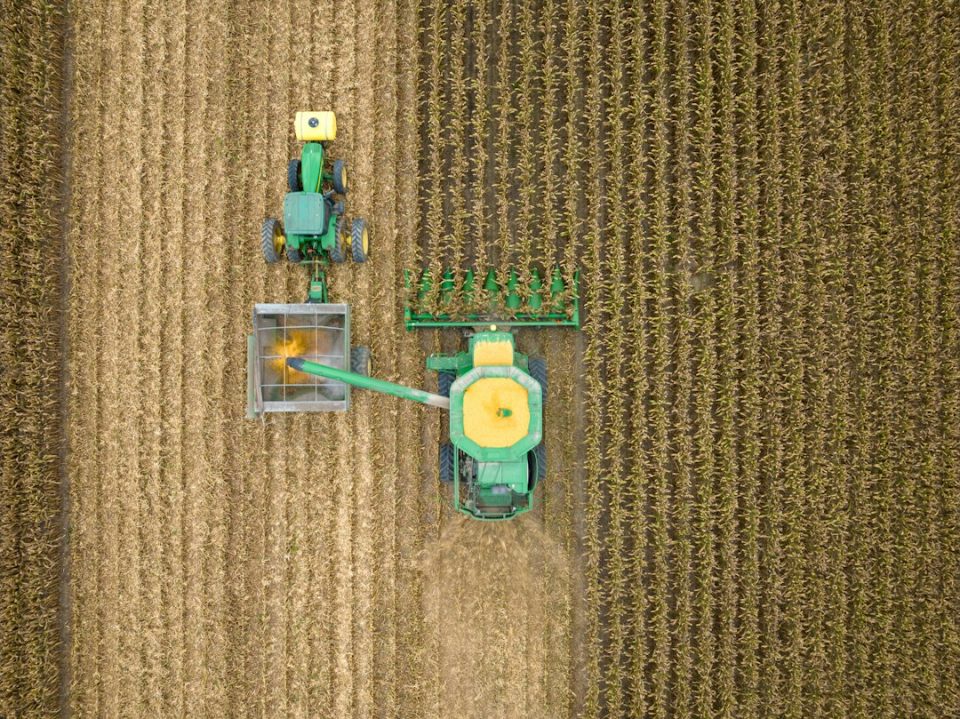
The global precision farming market is projected to grow from USD 11.97 billion in 2026 to USD 23.07 billion by 2033, registering a compound annual growth rate (CAGR) of 9.8%. This forecast reflects accelerating adoption of technologies and policy support across major producing regions.
Key growth drivers for precision farming
Rising food demand driven by population growth is pushing farmers to adopt precision farming technologies that maximize yields on limited arable land. Advances in IoT, artificial intelligence and data analytics enable precise resource management, reducing waste and improving crop productivity. A growing emphasis on sustainable agricultural practices, prompted by climate change concerns, is encouraging use of precision tools to minimize environmental impact. Government support through policies and subsidies further accelerates adoption, particularly in regions undertaking agricultural modernization.
5G’s role in precision farming
The integration of 5G technology is changing the business landscape by enabling faster and more reliable data transmission for real-time farm management. 5G allows IoT devices, drones and sensors to communicate seamlessly, giving farmers near-instant insights into soil conditions, crop health and weather patterns, including in remote areas. With low latency and high bandwidth, autonomous machinery can operate more efficiently for tasks such as planting and harvesting with greater precision. 5G also supports edge computing, where data is processed closer to the source, reducing dependence on cloud infrastructure and speeding decision-making. As 5G networks expand into rural regions, precision farming solutions become more accessible, driving broader adoption and operational efficiency.
Europe’s market position
Europe secured the second-largest share of the precision farming market in 2025, a position attributed to advanced agricultural infrastructure and strong government support for sustainable farming. Farmers in countries such as France, Germany and the UK are adopting IoT, GPS and drones to optimize resource use and boost productivity amid shrinking arable land and labor shortages. Robust investments in agritech and favorable policies, including subsidies that encourage smart farming tools, have supported uptake. A rising focus on climate-smart agriculture to address climate variability and soil degradation, together with efforts to reduce energy consumption and costs through automation and the emergence of agritech startups leveraging AI and data analytics, contributed to Europe capturing around 25–30% of the global market share in 2025.
These technological, environmental and policy factors together underpin the market trajectory through 2033.
