

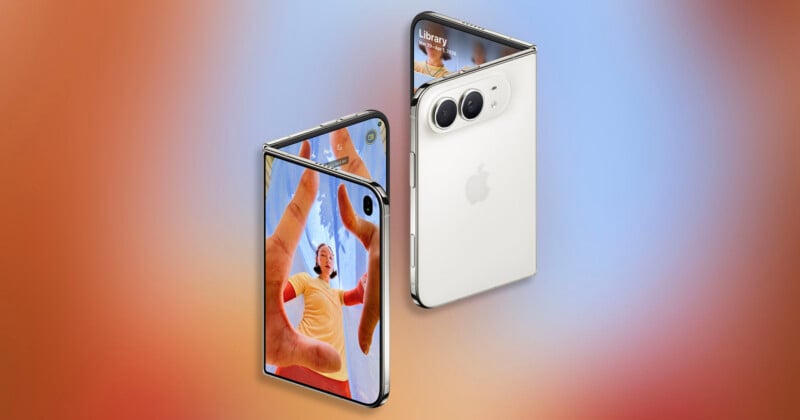
Apple recently unveiled its first foldable phone, the iPhone Duo, but Samsung has been building foldable devices since 2019 and supplied the foldable OLED technology that makes the new iPhone possible. Ahead of the iPhone Duo launch, an article praising Apple and its new CEO John Ternus painted foldables as Apple’s invention, even as Ternus dismissed rival devices by saying, “The other examples in the world felt kind of cheap and crappy.” The iPhone Duo incorporates notable software and design changes, yet it relies on years of Samsung Display research and Samsung’s smartphone division work.
Samsung’s innovations and manufacturing lead
Samsung spent years refining foldable hardware and manufacturing after the first Galaxy Fold. The company introduced several technologies and advances that normalized the form factor and reduced engineering risk: Ultra Thin Glass (UTG) to protect flexible screens; the world’s first water-resistant foldables with an IPX8 rating on the Galaxy Z Fold 3; Flex Mode, a software approach allowing apps to adapt when the screen is half folded (a feature Apple implemented on the iPhone Duo); stylus support added with the Galaxy Z Fold 3 and retained through the Fold 6 before being removed on the Fold 7 to prioritize thinness; and under-display front cameras pushed with the Galaxy Z Fold 4. Samsung also carried the financial and reputational risks of multiple iterations, gathering production experience that reportedly helped avoid the bottlenecks the iPhone Duo faced.
Panels, comparisons and what Apple changed
Apple is using Samsung Display’s foldable OLED panels exclusively rather than panels from LG Display or Chinese brands, and without Samsung’s years of flexible OLED research and manufacturing the iPhone Duo would not exist in its current form. The iPhone Duo introduces genuine software and design changes — for example, moving the app dock and other controls to the right side of the screen for easier one-handed access, reducing the visible crease, and adding curved corners — but those choices come with trade-offs: the display’s crease was made almost invisible at the expense of some of the punch and vibrant color associated with OLED panels. The iPhone Duo is also reported to be more than 20% heavier and 15% thicker than the Galaxy Z Fold 8, while Samsung’s Fold 8 remains notable for its symmetry and is substantially cheaper to buy and repair in most markets. The iPhone Duo will undoubtedly sell well, maybe even better than Samsung’s foldables.
